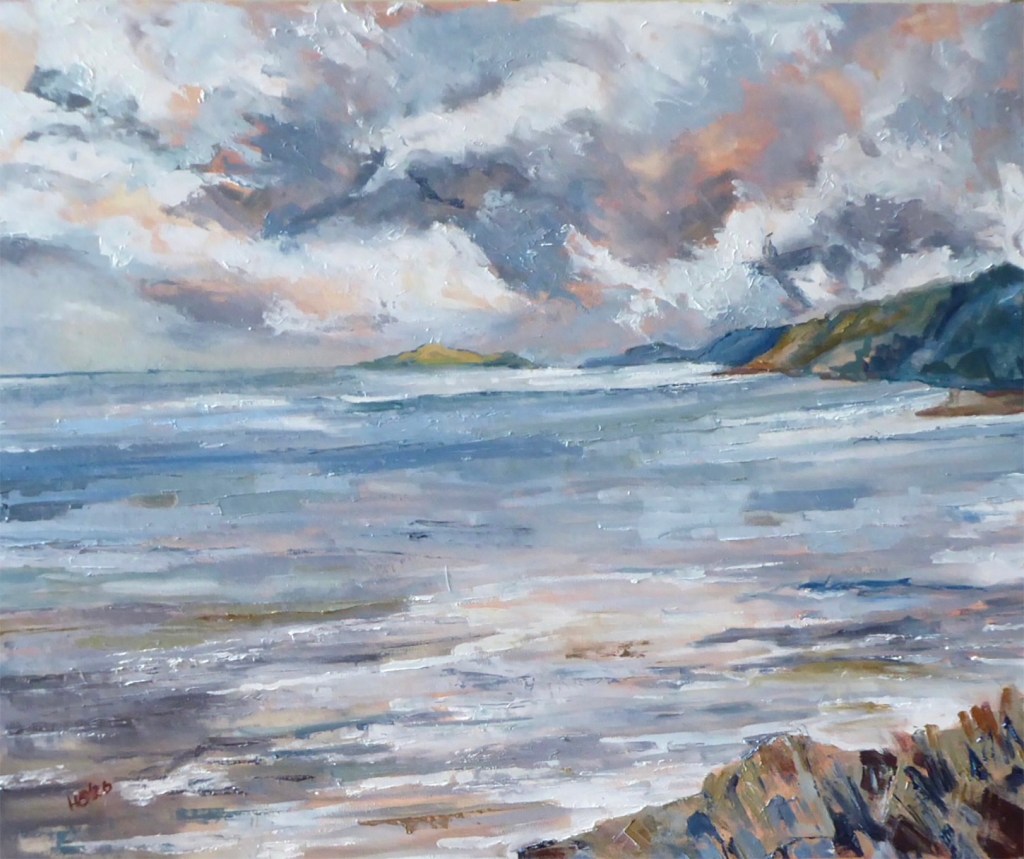
Here in North-East Fife I am starting to prepare for this year’s Open Studios event. I love the process of curating an exhibition but it is a considerable undertaking. Allowing enough time to prepare is therefore essential. There are many factors to consider: content; venue; accessibility; presentation; advertising and pricing to name but a few. So, with just over four weeks to go before OSNF 2026, it’s time for me to stop production and start focusing on the tasks to be done. I have to ensure that I’m happy with the presentation of my work and the gallery space ready to receive visitors. Over the years I have curated a number of exhibitions so what follows is based on my own experiences and preferences.
Venue
The first consideration in putting together an exhibition is where it is to be held. Is it in an established gallery space or is it a space to be temporarily converted from something else for the purpose of an exhibition? Artists who participate in Open Studios create their work in a diverse range of spaces, not all of which lend themselves to exhibiting. I have visited Open Studio exhibitions in an assortment of spaces, including artists’ studios, houses, garden rooms, conservatories and garages. These can work very well but may require a bit more planning and organisation compared to using an established gallery.
A room that forms a dedicated gallery space is generally open and uncluttered by furniture. Using a converted space will mean arranging or getting rid of existing items that restrict the flow of visitors around the room. In addition, a gallery will often provide a hanging system that doesn’t involve damaging walls. If, like me, you are liable to change your mind about where a piece should go you might be reluctant to create multiple holes in the wall before you get it right. Are you able to devise a system that avoids unnecessary damage to the wall? For last year’s OSNF, inspired by a fellow artist, I devised a hanging system with dowelling rods attached to the ceiling beams and some cord and hook sets to hang the paintings from. This simplified the hanging process and changes could be made relatively easily.
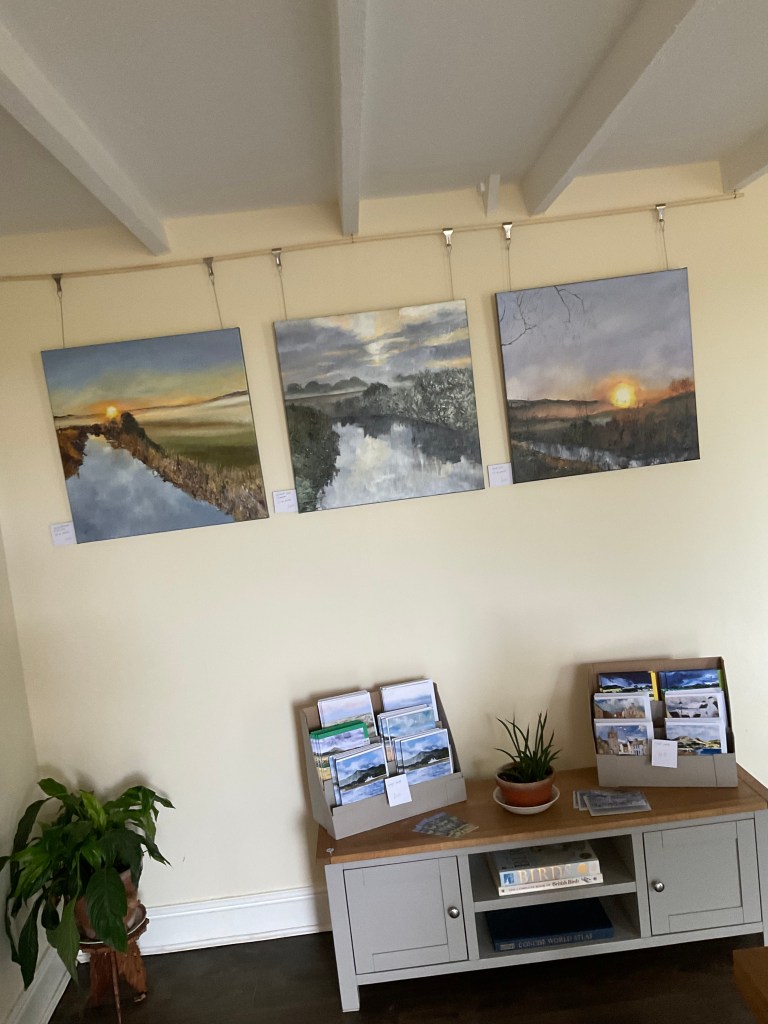
Accessibility is also a major consideration. My studio space is at the top of my house, accessed by two flights of stairs, the second of which is very steep and narrow and with limited hanging space. It is neither practical nor accessible so an alternative, ground level space had to be found. The choice was either my garage or my kitchen diner, both of which are easily accessible from the lane running alongside my house. In the event I chose the kitchen, partly on the grounds of light but mostly out of consideration for the weather, which can be cool in this part of the world in early May.
The selection process
It might be tempting to show everything you’ve ever produced but there are a number of reasons why the dictum “less is more” should prevail. Open Studios is a big event; last year there were around 90 artists taking part in a range of different venues across the region. This is a lot of art for visitors to absorb. After a while gallery fatigue sets in. In my opinion, it is better to show fewer quality pieces diverse enough to hold the attention of the viewer, yet that sit together as a cohesive body of work. Having a theme also gives a focus for an exhibition.
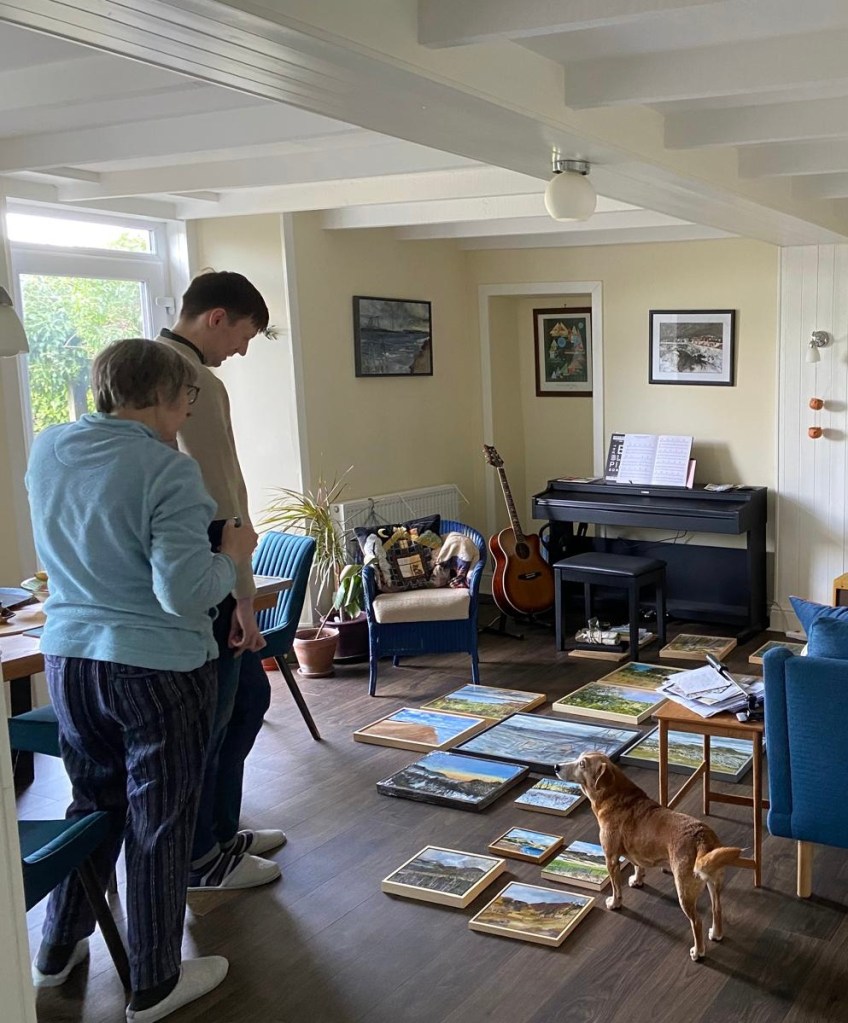
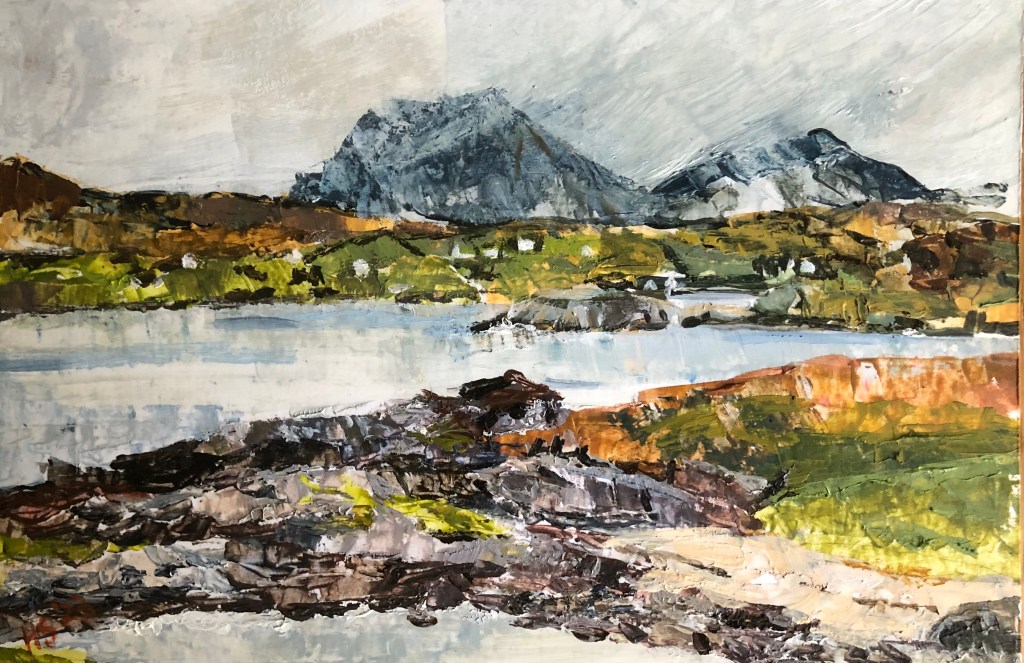
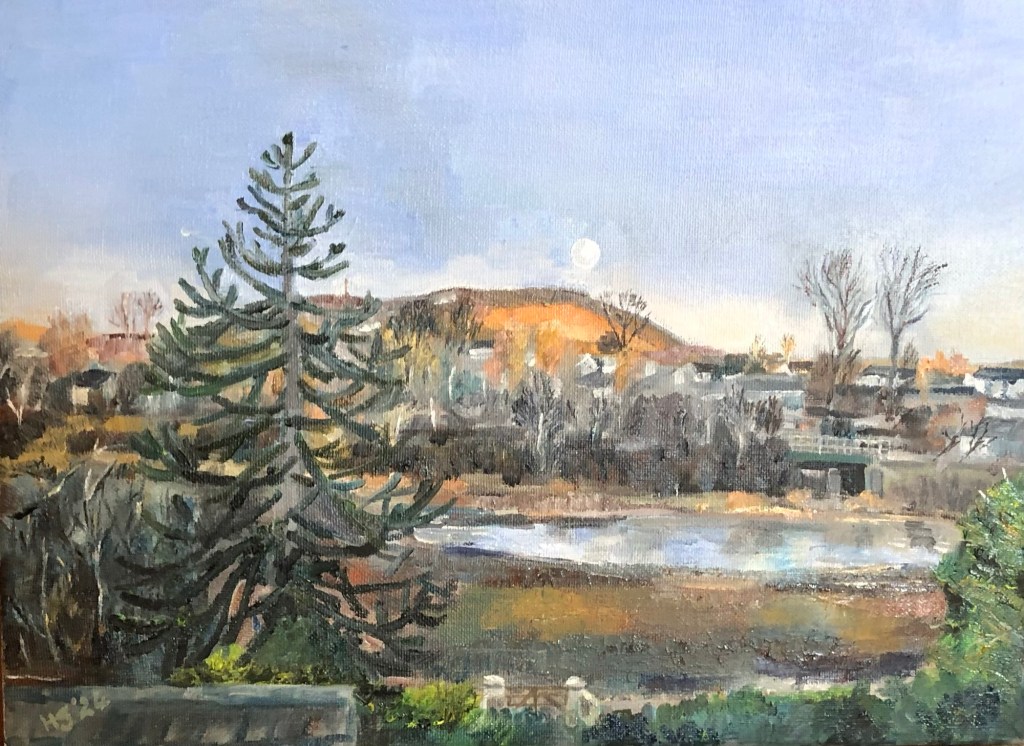
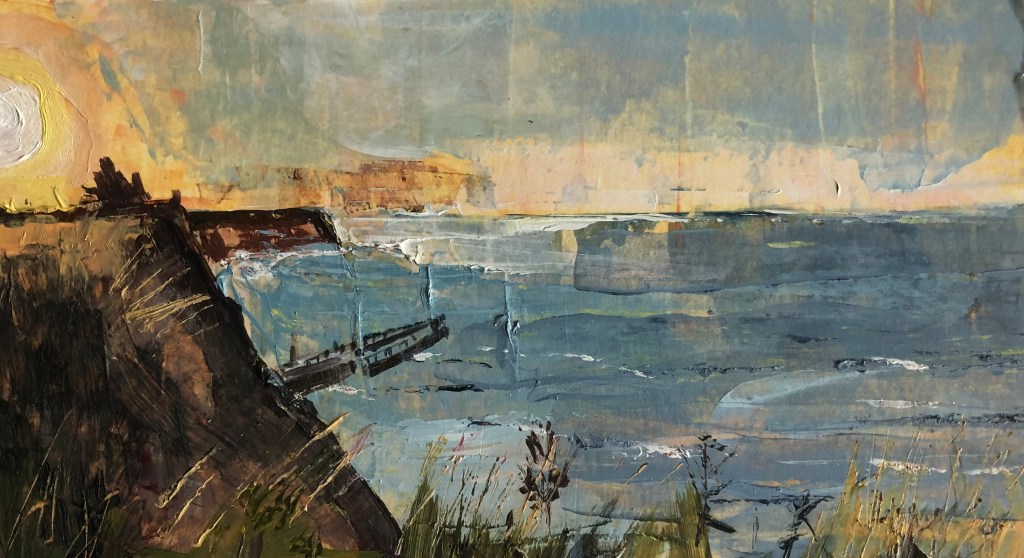
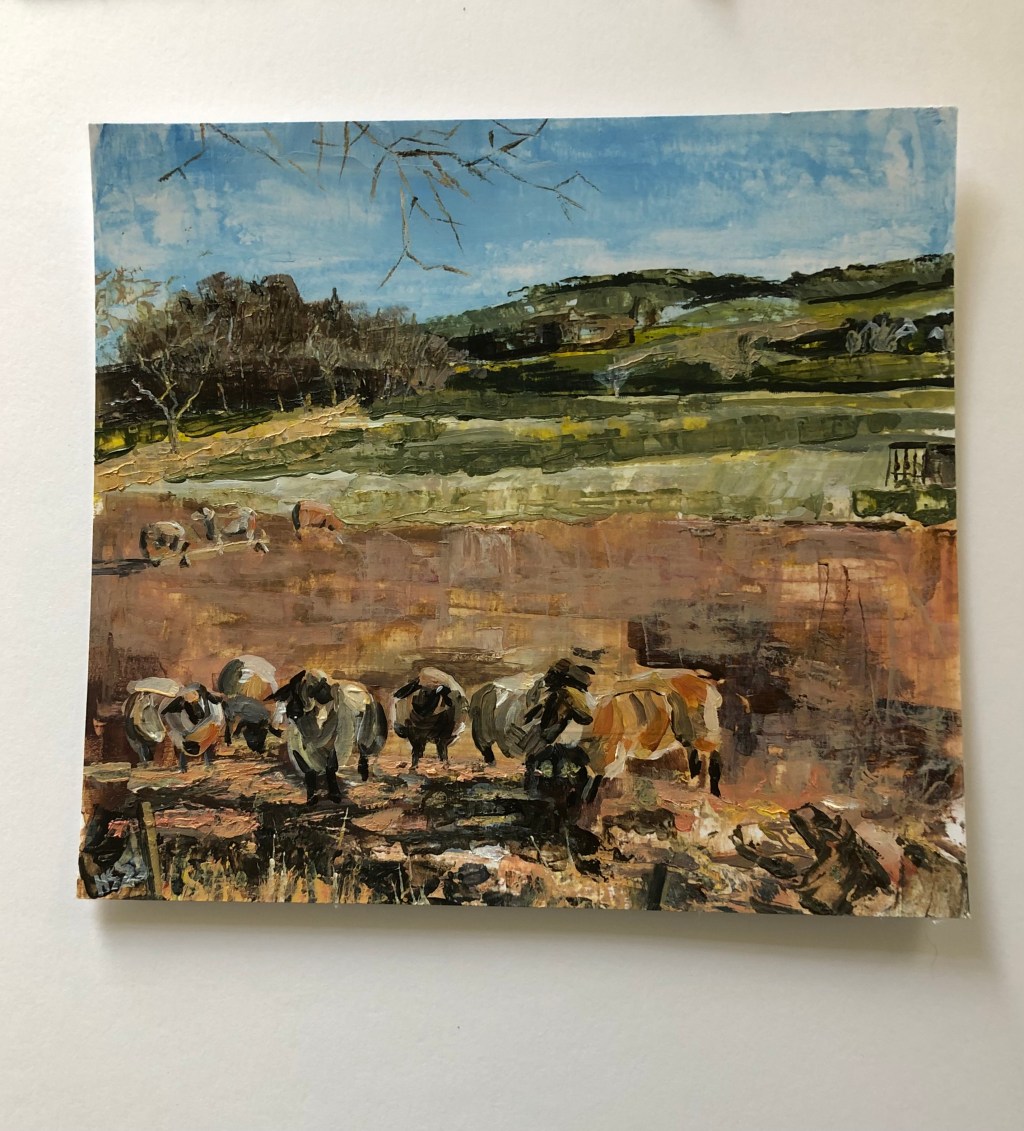
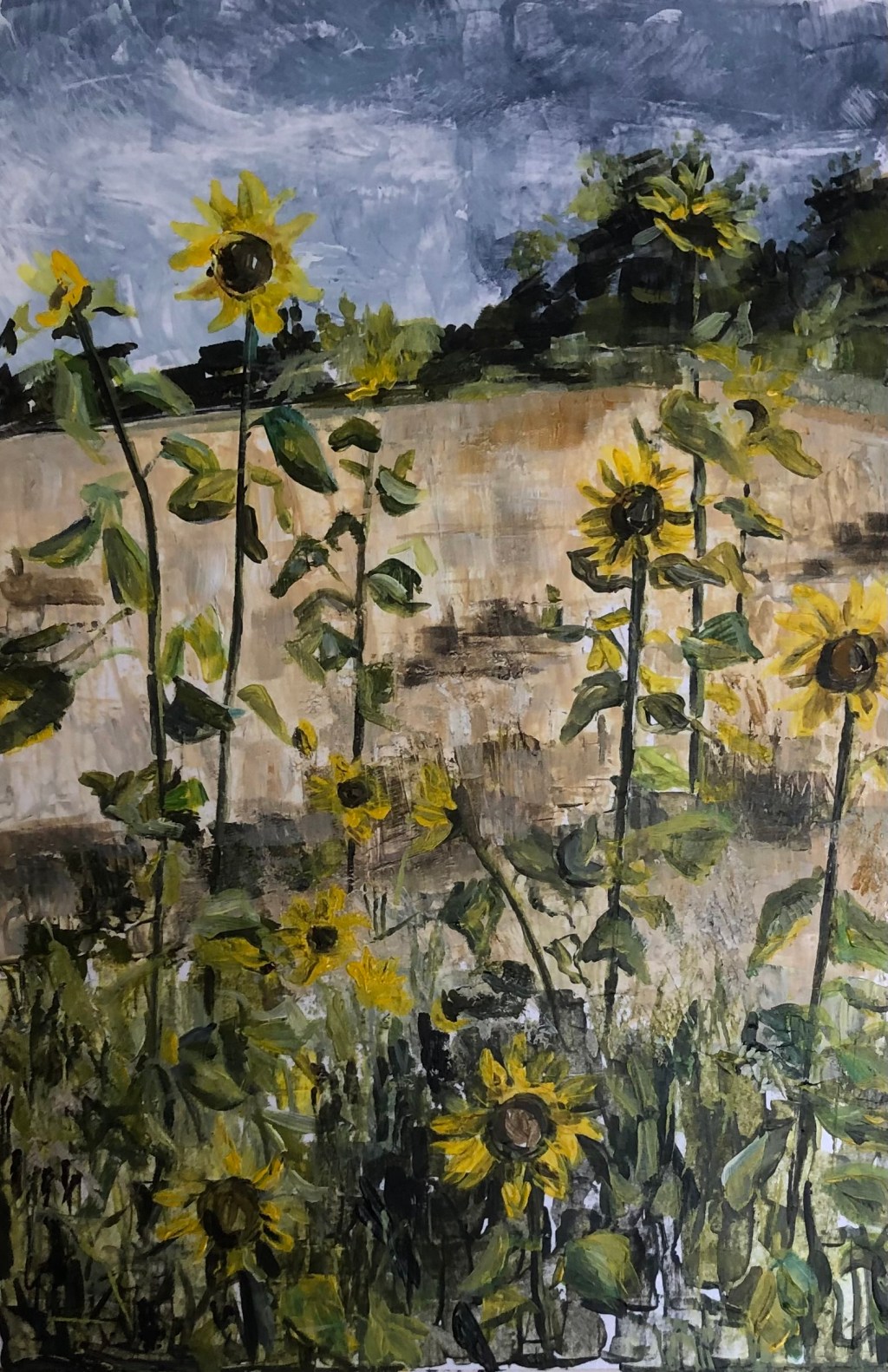
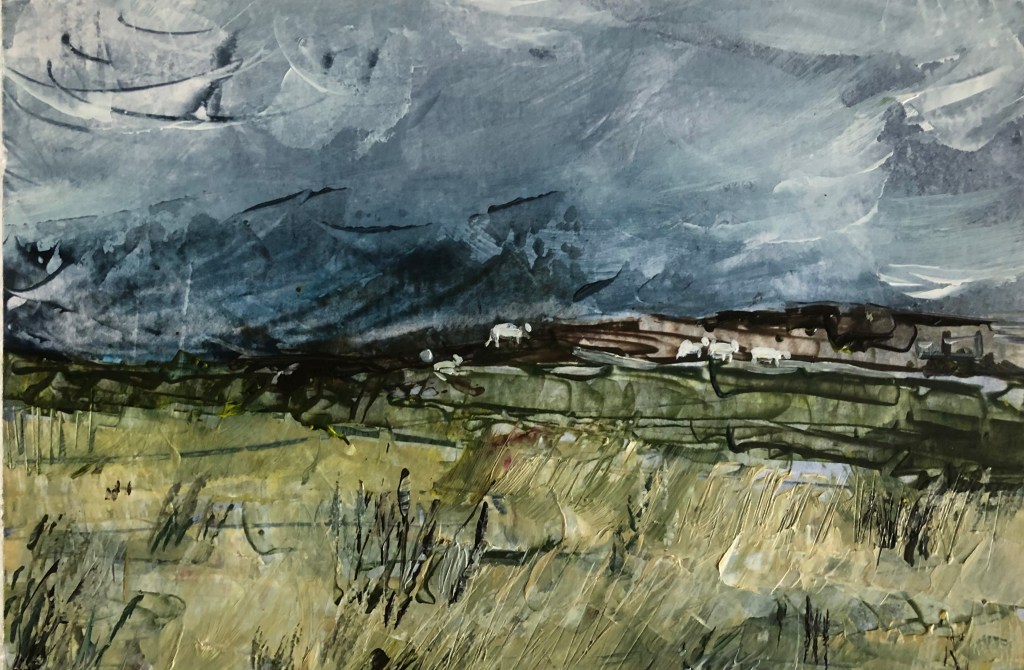
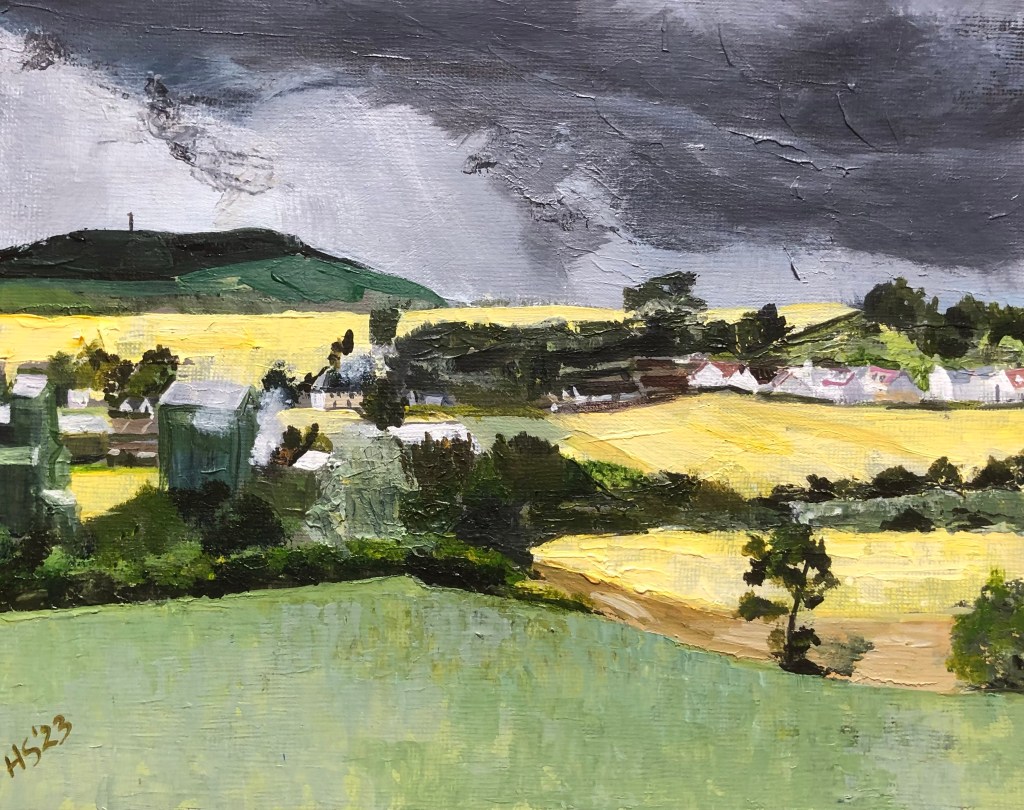
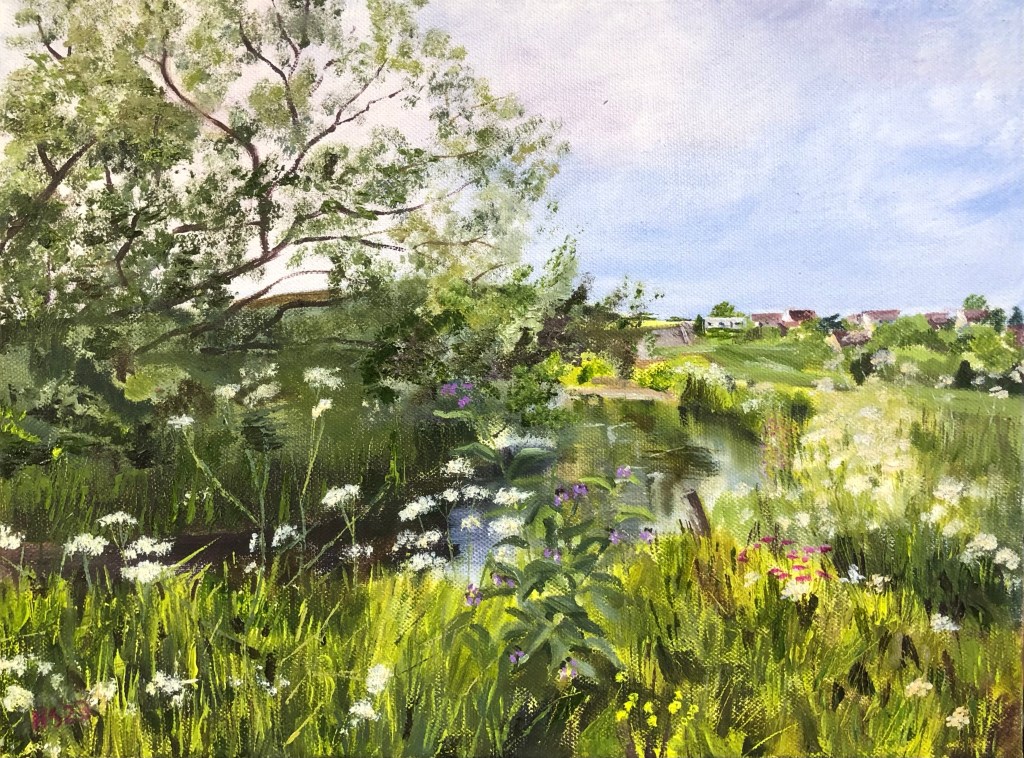
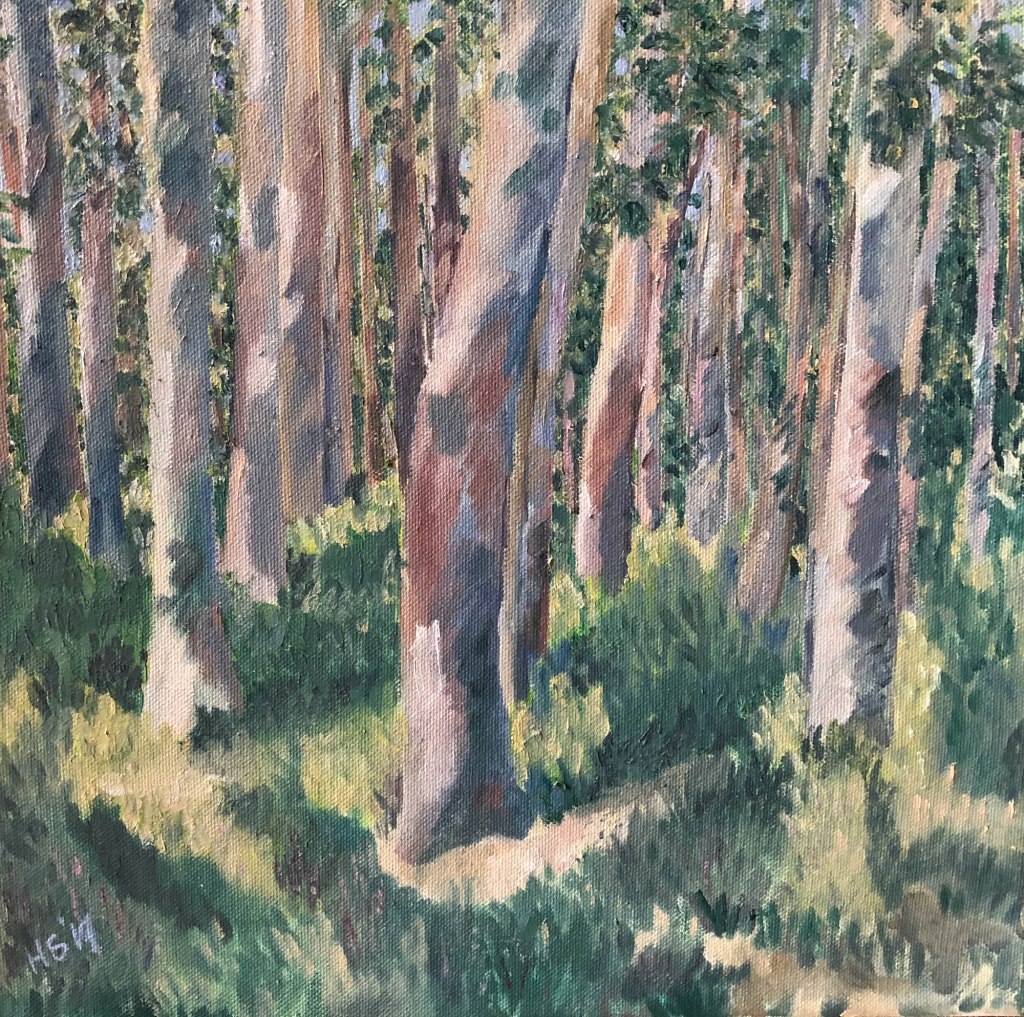
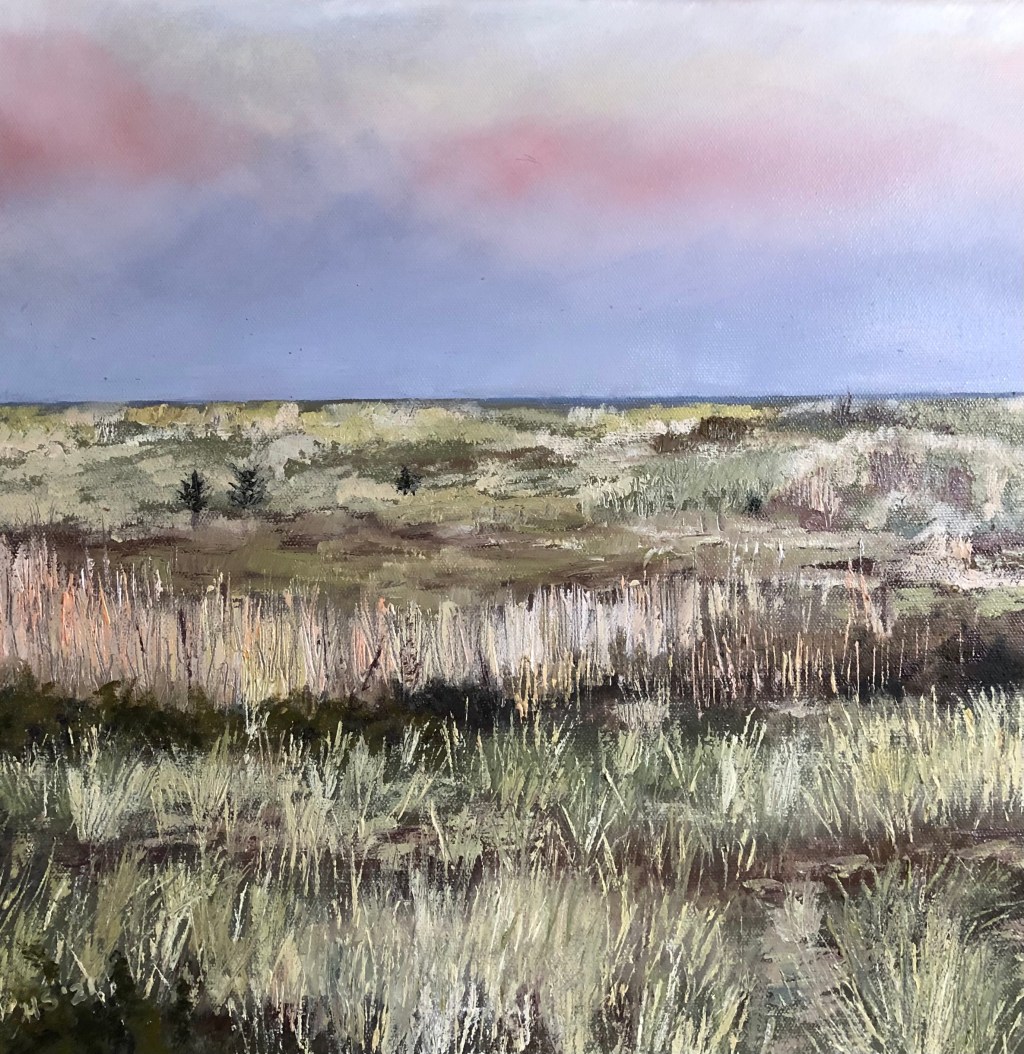
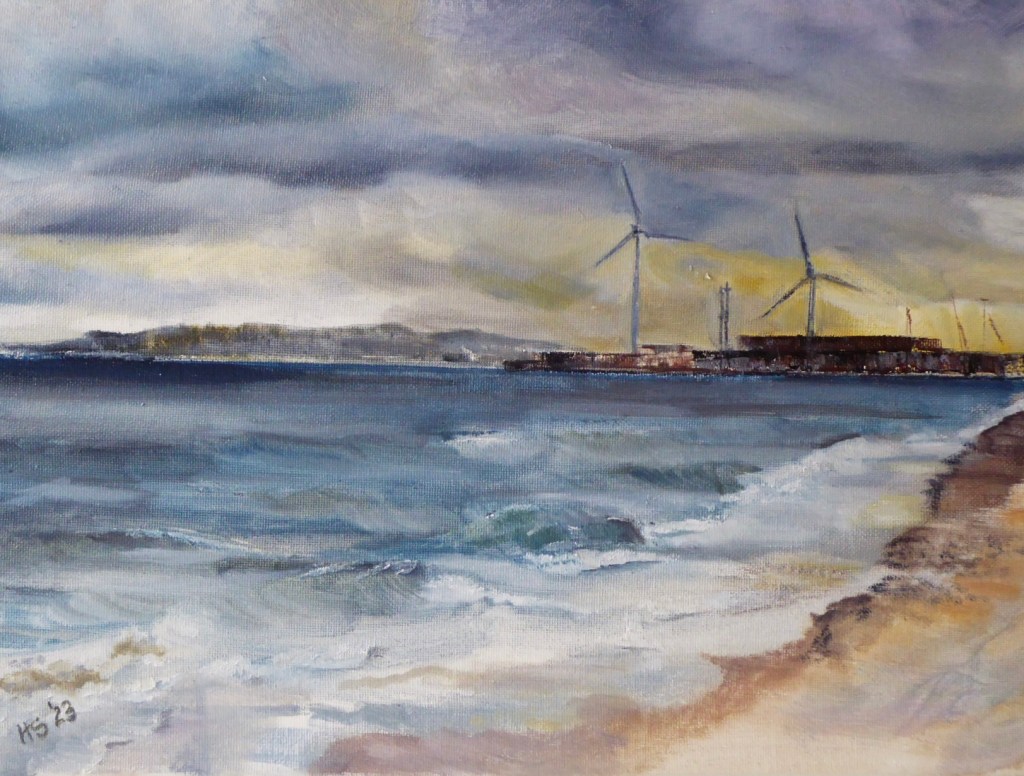
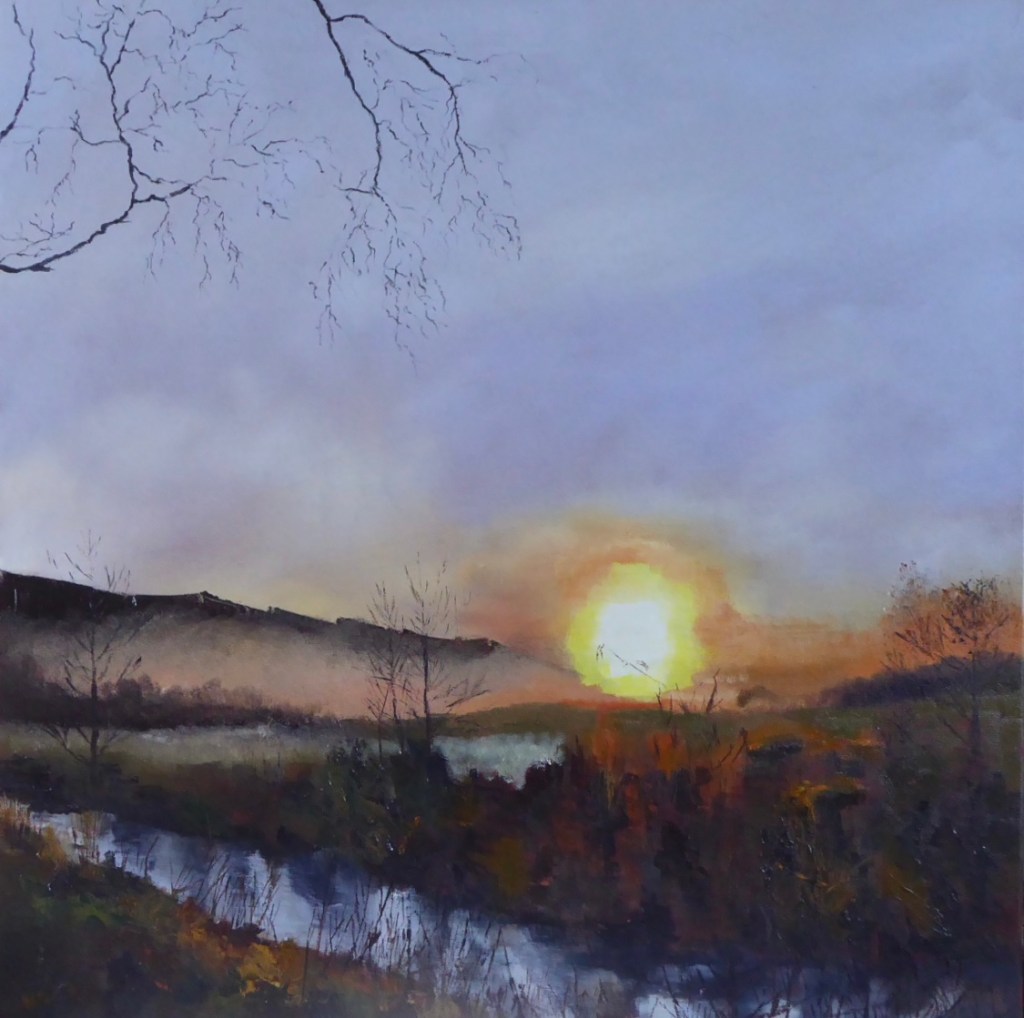
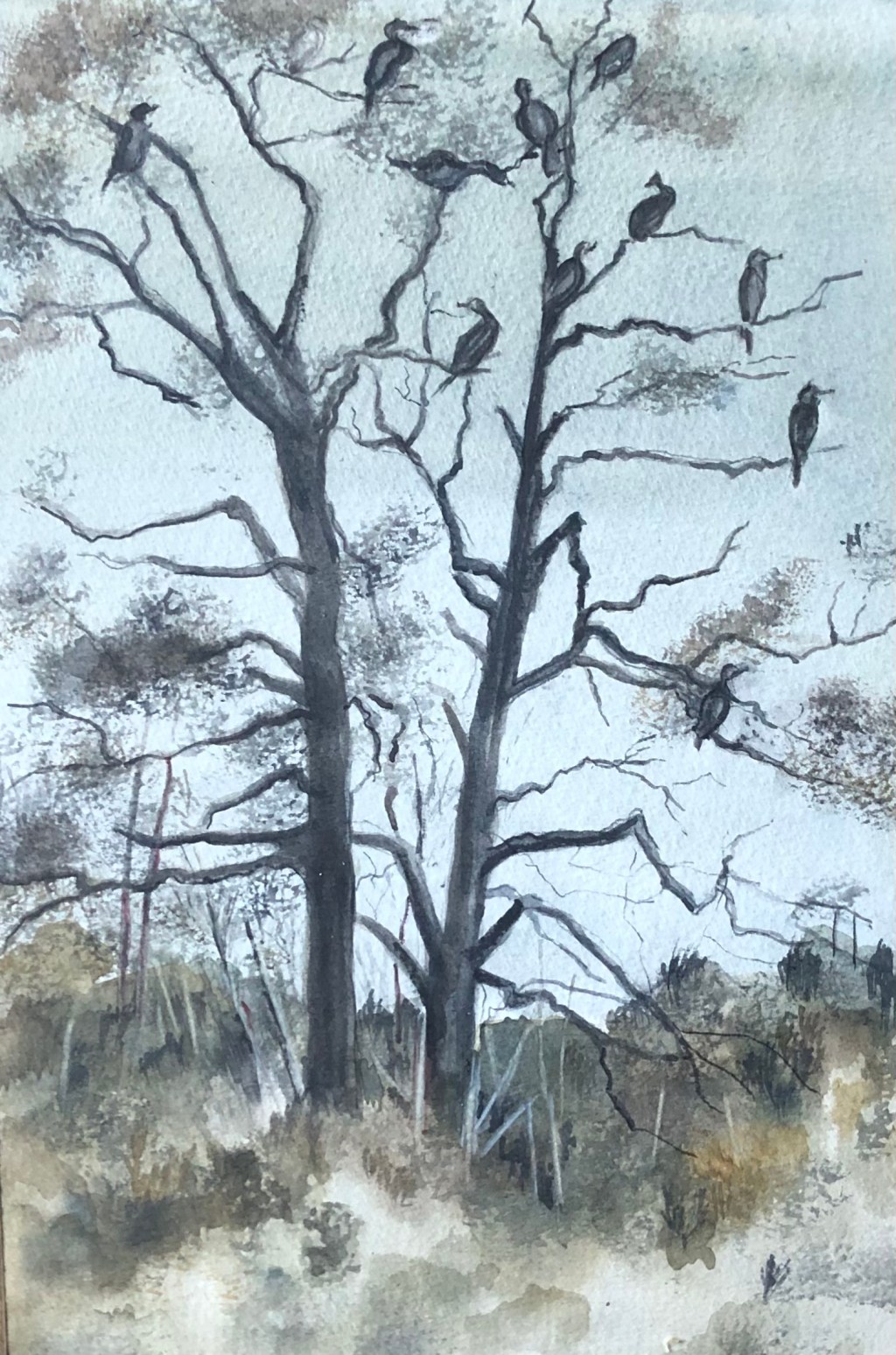
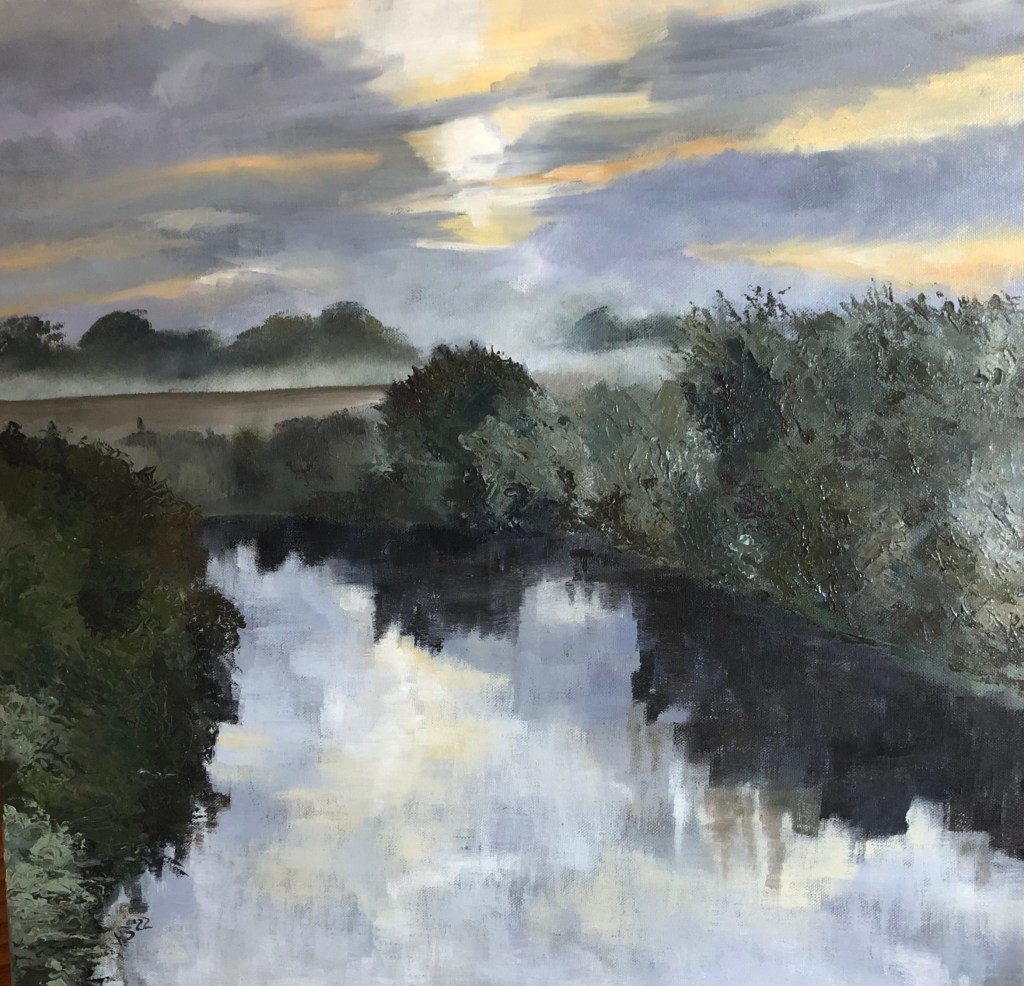
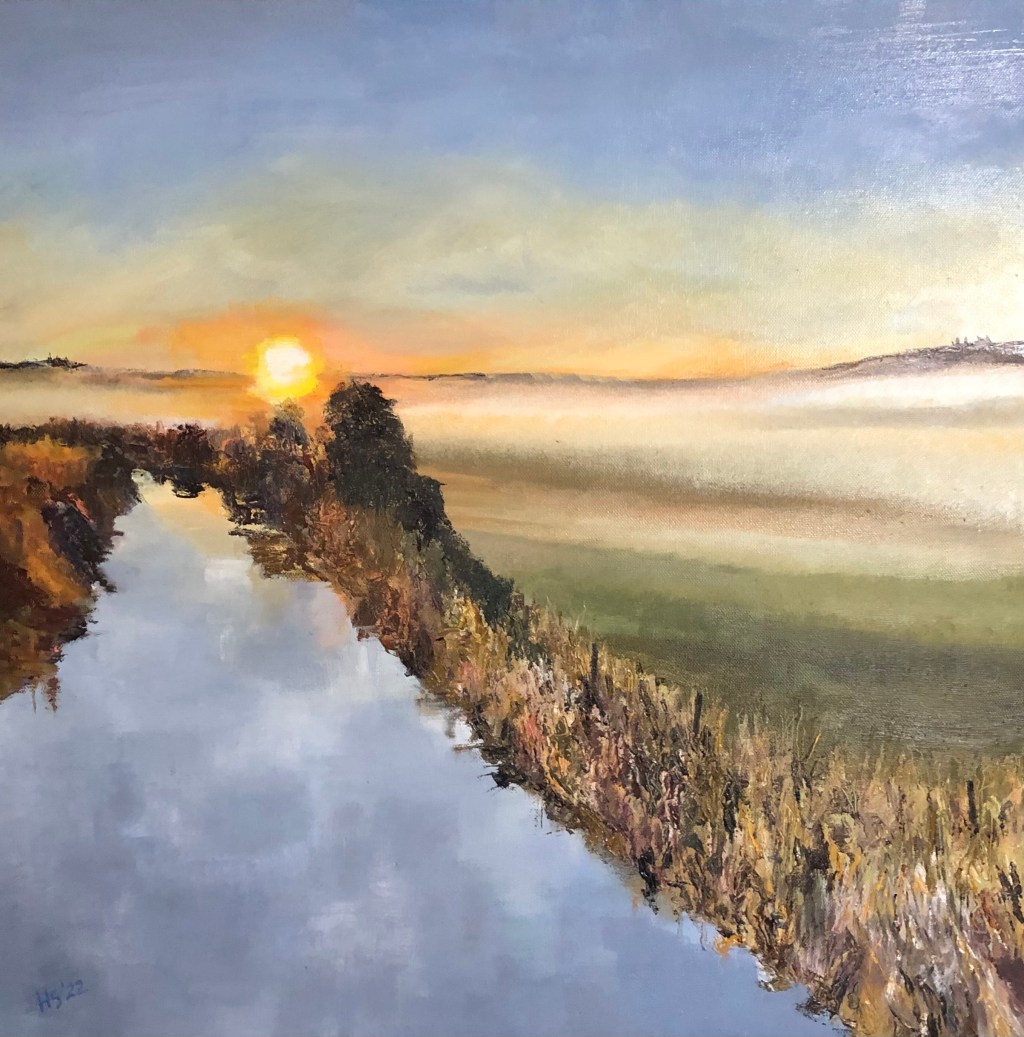
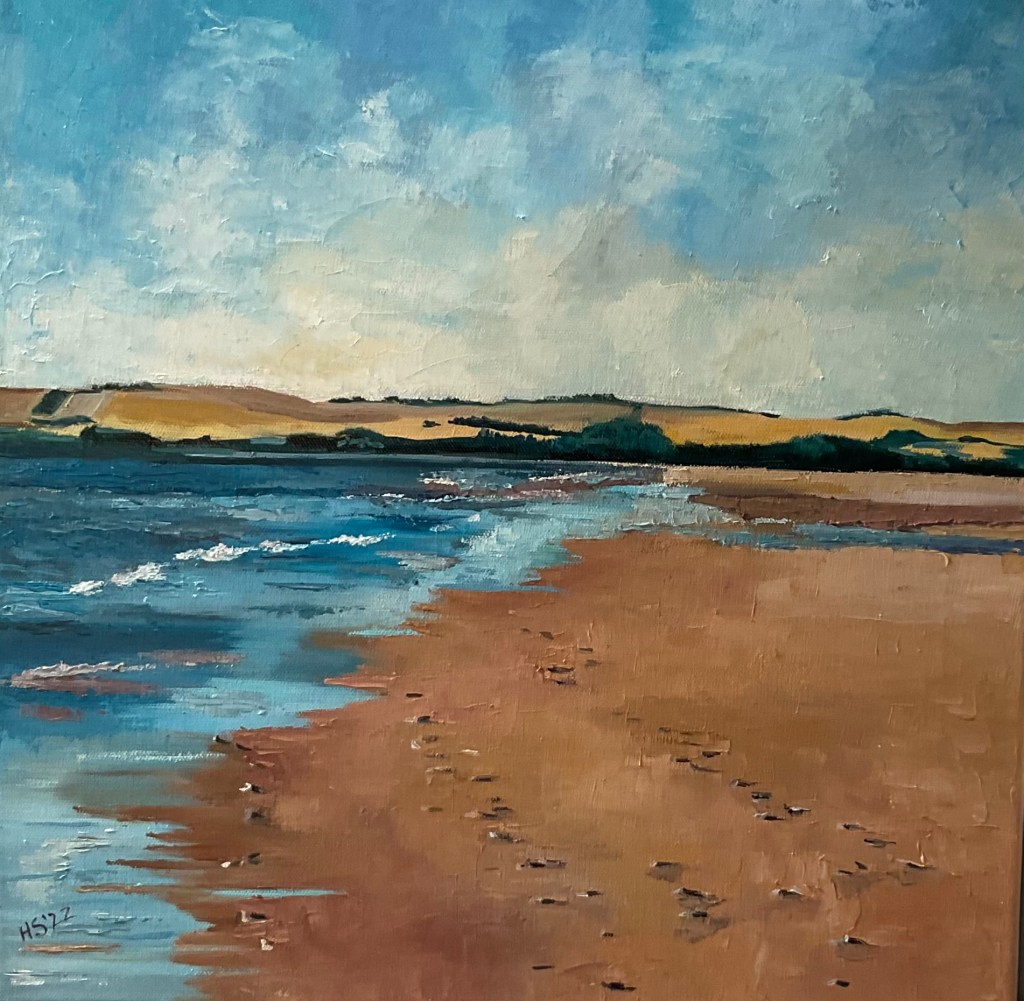
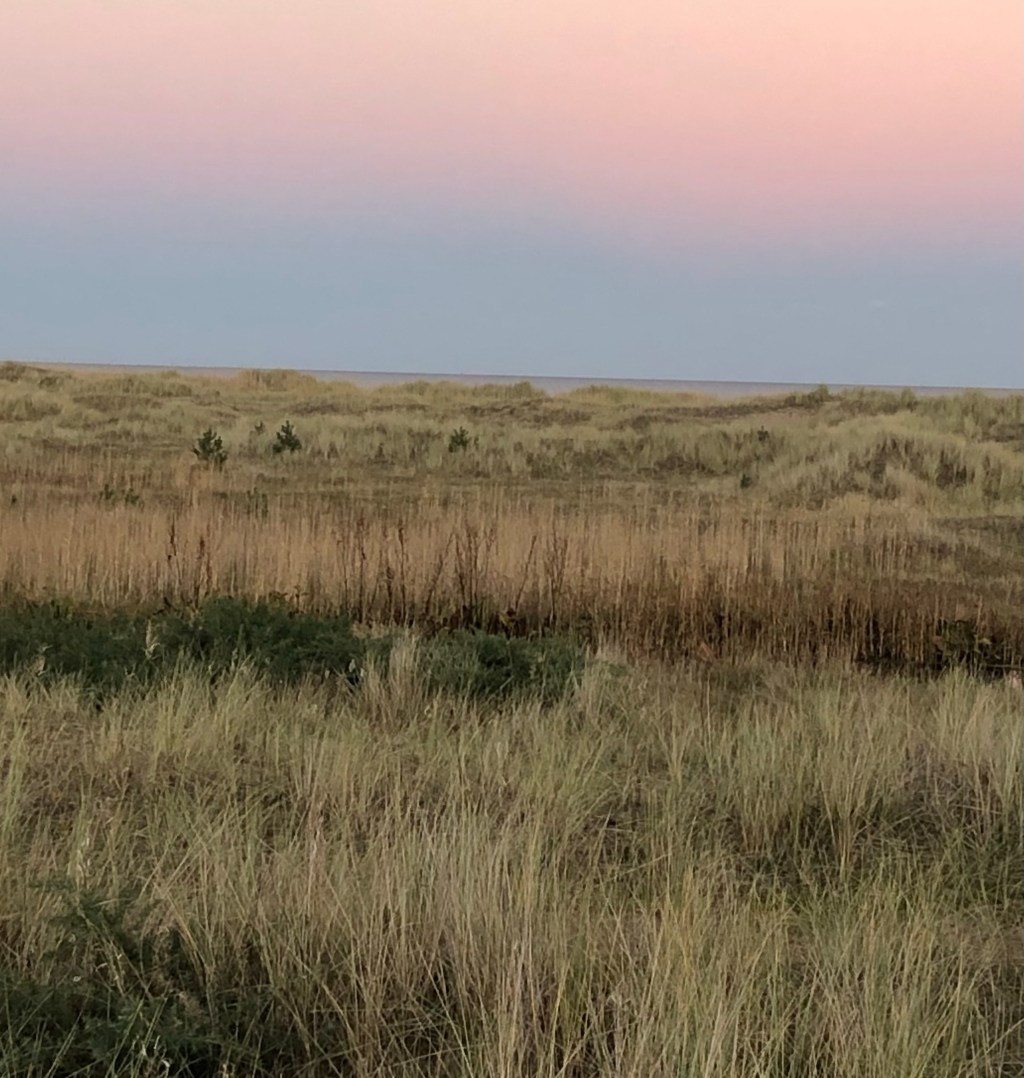
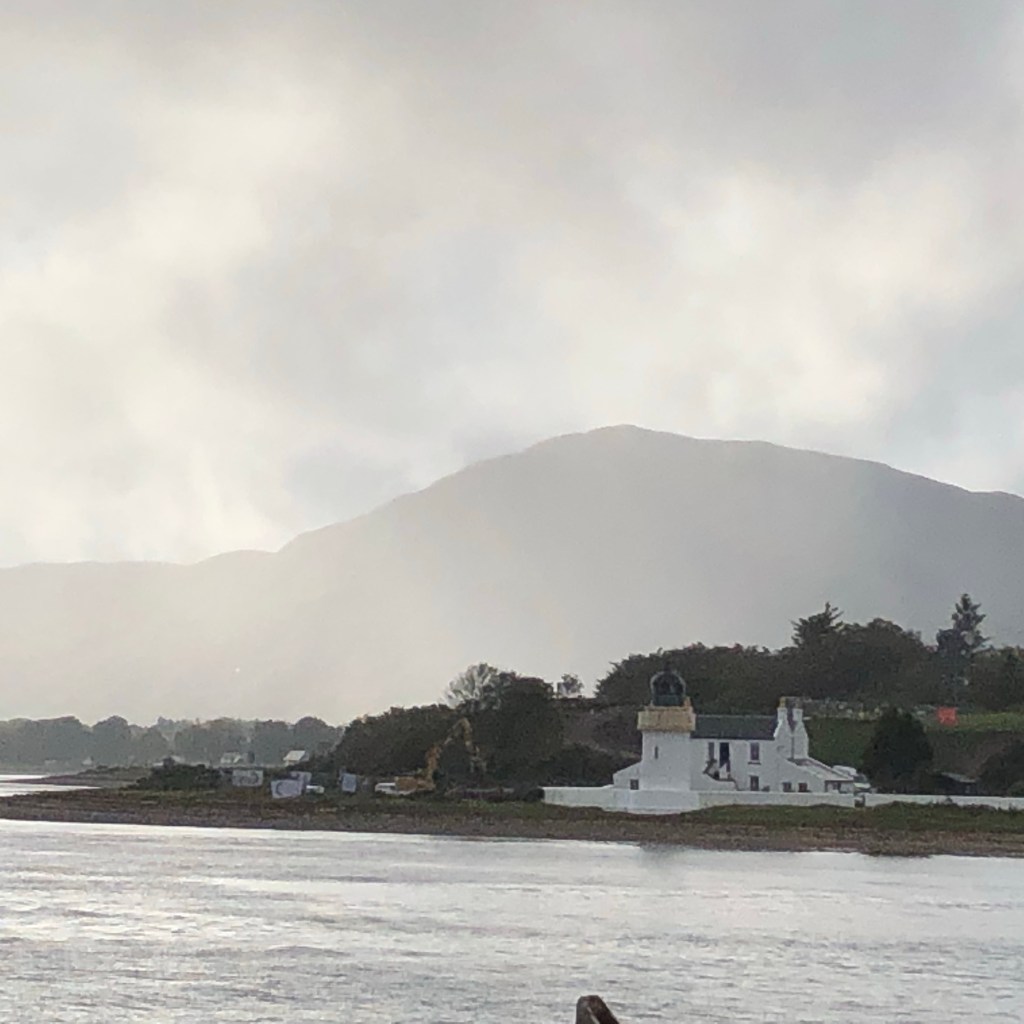
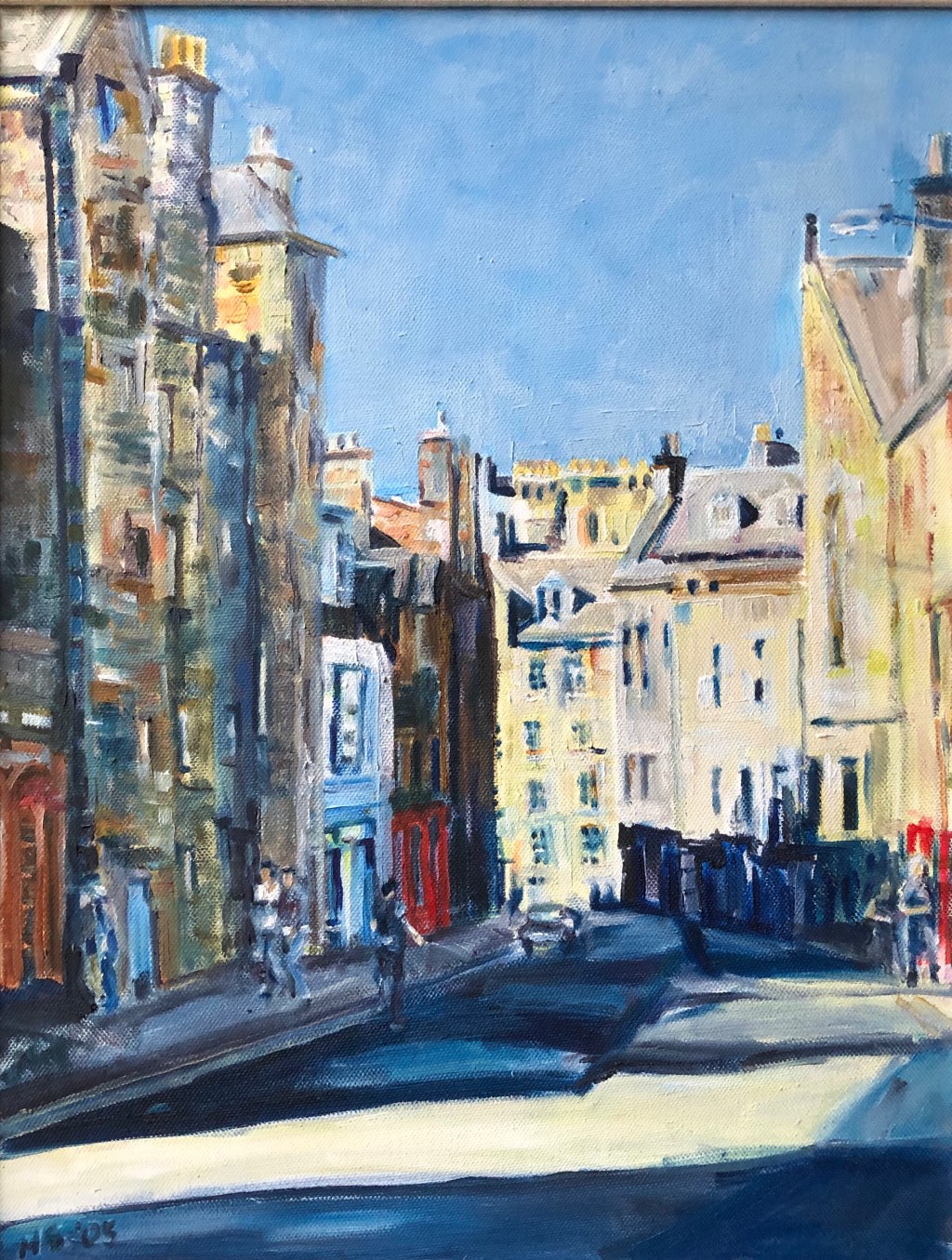
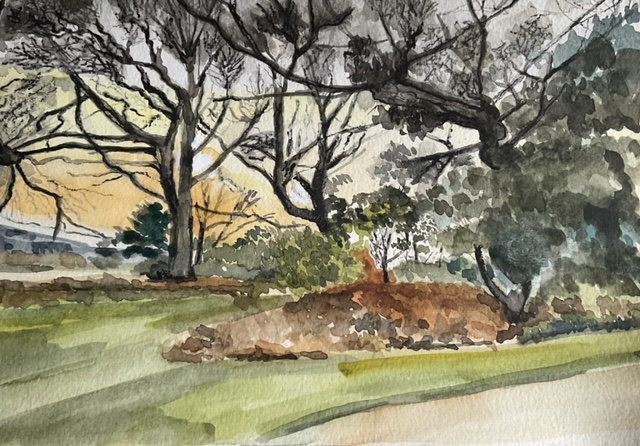
My theme was fairly broad: land and sea. I started by considering more work than I ended up using. By a process of elimination, and shifting things around on the floor beforehand, I arrived at my final selection. The final choice was based on factors such as available space, size and fit with the theme of the exhibition. I also enlisted the help of others; it is always useful to get a second, more objective opinion.
Designing an exhibition space
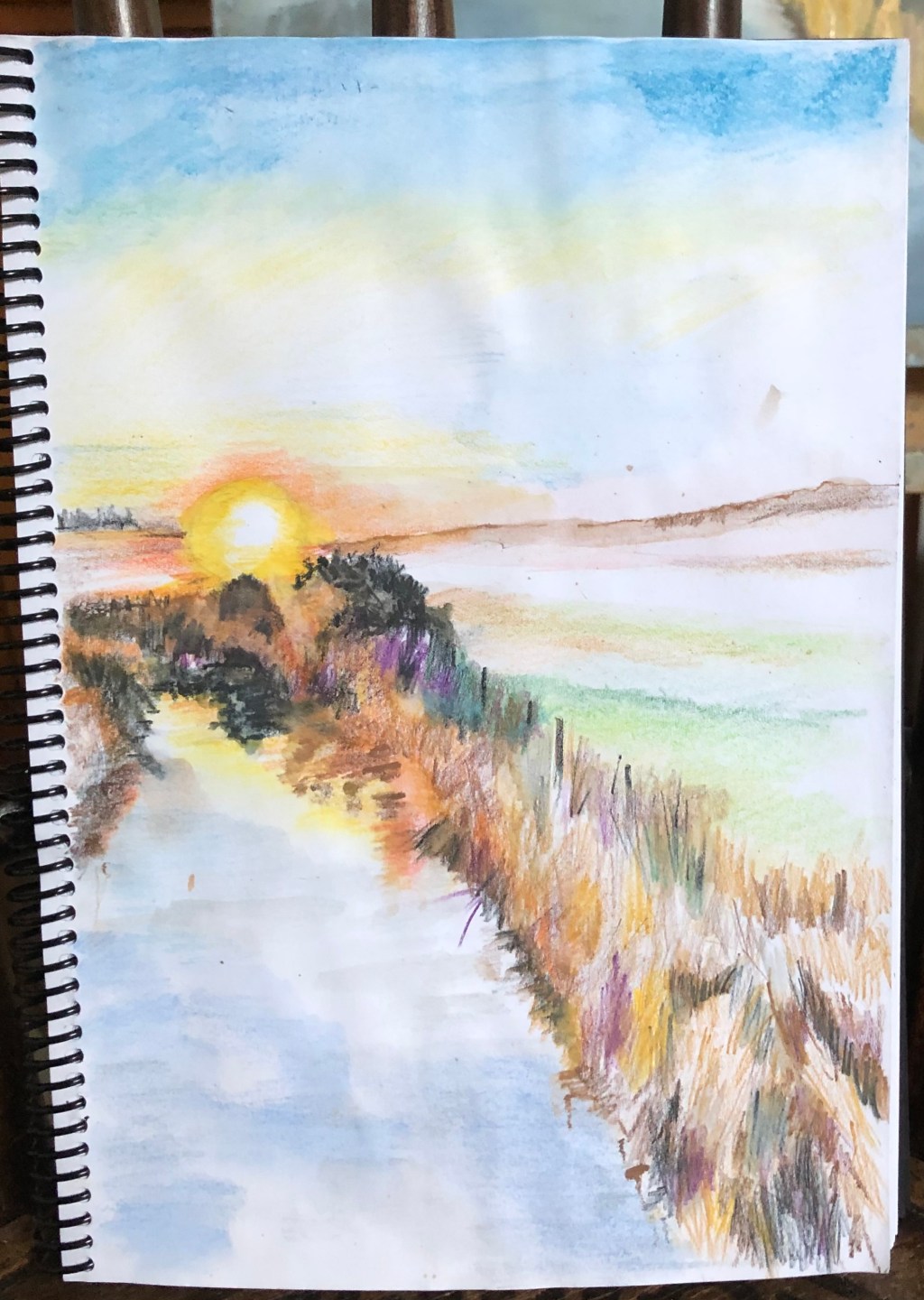
Things to consider when designing a space include: spatial arrangement, lighting and other elements such as sketch books that provide additional layers of context. This includes merchandise such as cards and prints. You may also want to consider demonstrating your craft over the course of the event.
The spatial arrangement should guide the flow of visitors through the space. My gallery space was designed to encourage visitors to travel in a clockwise direction from the entrance around a central table displaying sketch books and cards. This leads through to a small porch where I had prints and back into the main space to the entrance (see link below). I also worked on a still life in oils over the course of the weekend and this was an excellent way to engage with visitors.
https://www.facebook.com/reel/1483049019337734
Lighting is an important element, particularly for window walls which will often be in shadow. Again, a dedicated gallery will have a lighting system that provides even levels of illumination; a room in a house is less likely to have this facility. I commandeered lamps from other parts of the house to lighten dark corners.
Prior to last year’s OSNF I spent some time visiting small independent galleries to see what I could learn about presentation. I was concerned that the pieces I had chosen weren’t uniformly framed and the exhibition would look like a random selection of pieces. What I took away from these visits was that it isn’t necessary to have pieces uniformly framed. Smaller groupings arranged according to theme or colour can work well.
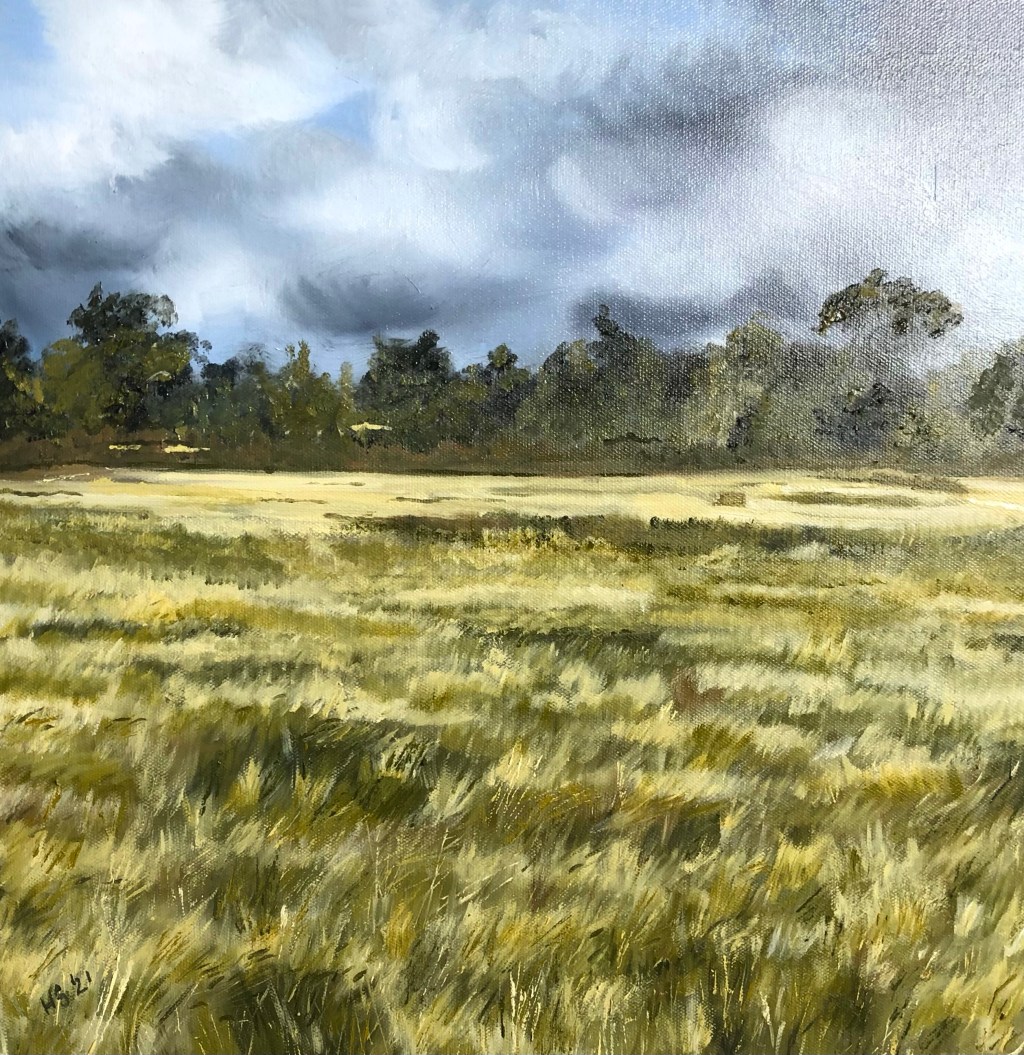
My aim was to display small groups of paintings together with spaces between each group to provide a break for the eyes.
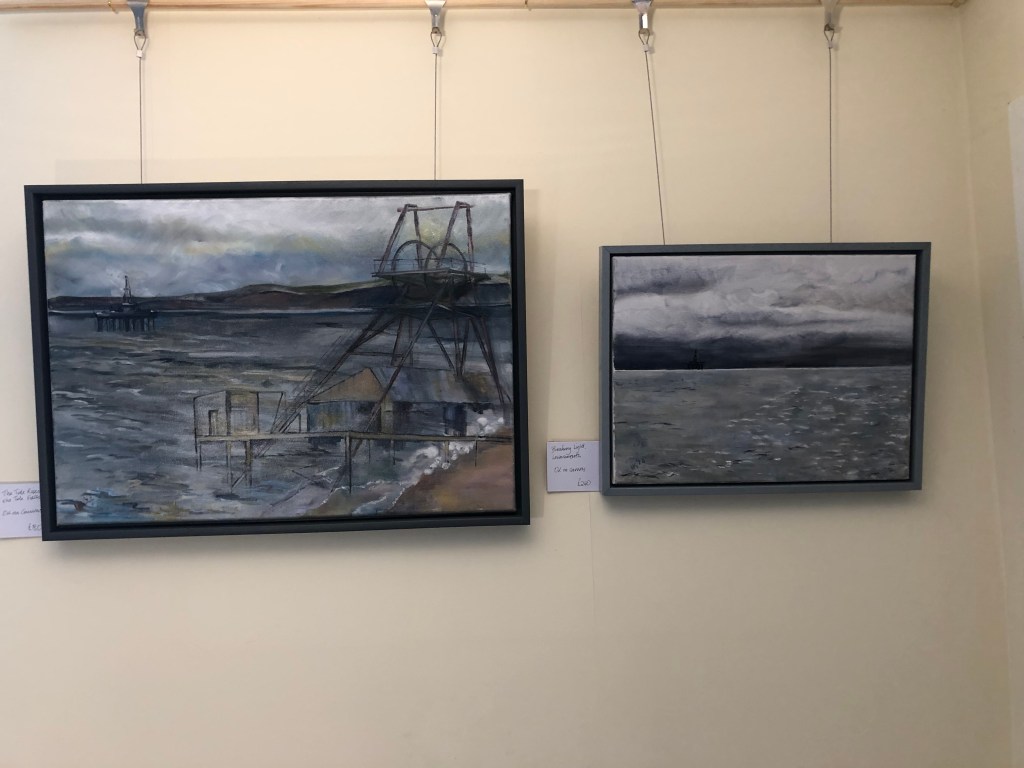
In retrospect, I think some areas worked better than others. My hanging system was less flexible in grouping pieces than affixing them directly to the wall would have been. However, I didn’t want to cover the walls with pinholes so I had to work with the system I had.
Marketing
In a region-wide event such as Open Studios you are competing with, in this case, 70+ other artists so a well thought out marketing plan is essential.The key elements to a successful campaign are: knowing your audience and using a broad range of channels to reach that audience. Some advertising for Open Studios is managed by an organising committee. Here in Fife, the fee to take part includes listing in a brochure, which members are encouraged to distribute widely, an entry on the OSNF website and access to the OSNF Facebook page. Signage is also provided.
In addition to this, last year I made regular posts on my own Instagram and Facebook pages. For maximum impact, this should, ideally, be done on a daily basis in the run up to, during and after the event. It is very time-consuming to create and post reels so I found that I could only manage about twice a week. Nonetheless it is undoubtedly worthwhile. A successful event isn’t just about sales on the day, but about getting your work known more widely. As a direct result of taking part in Open Studios and having a social media presence, I received an invitation to show my work in a group exhibition plus a commission for an artwork.
Conclusion
Staging an Open Studios exhibition is a considerable undertaking requiring time and energy. That being said, it can be enjoyable and rewarding. Advance planning from identifying a suitable venue, through to advertising and marketing is essential and will make the chances of a successful event more likely. The outcomes of a well planned exhibition and advertising campaign can reap benefits beyond the event itself in establishing an online presence and raising profiles.
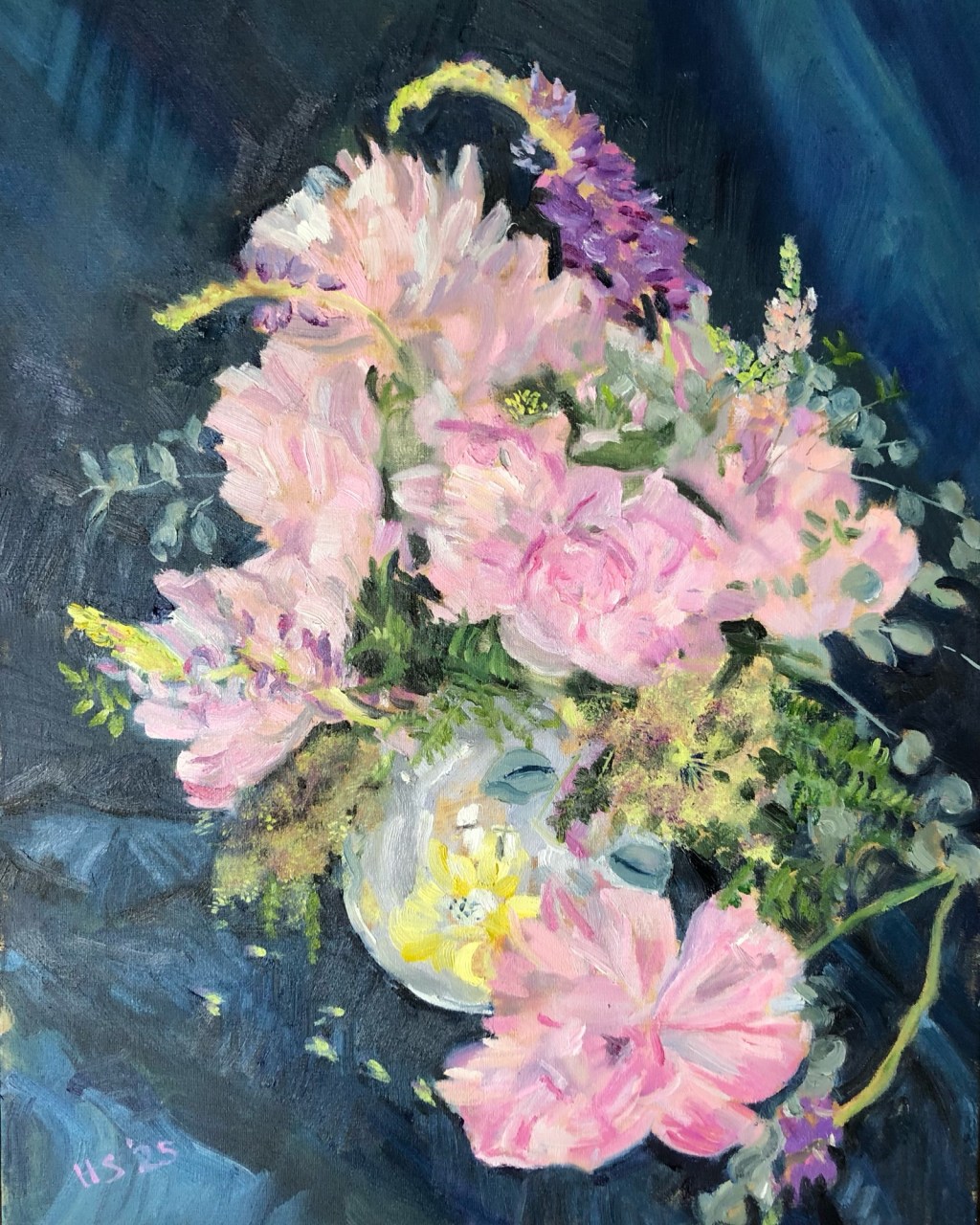
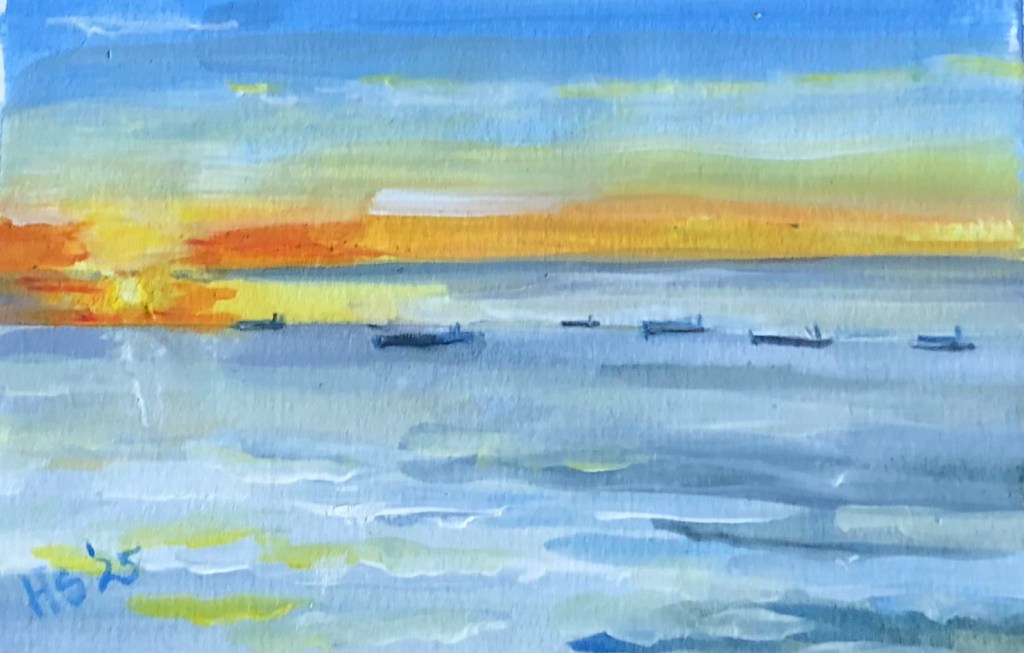
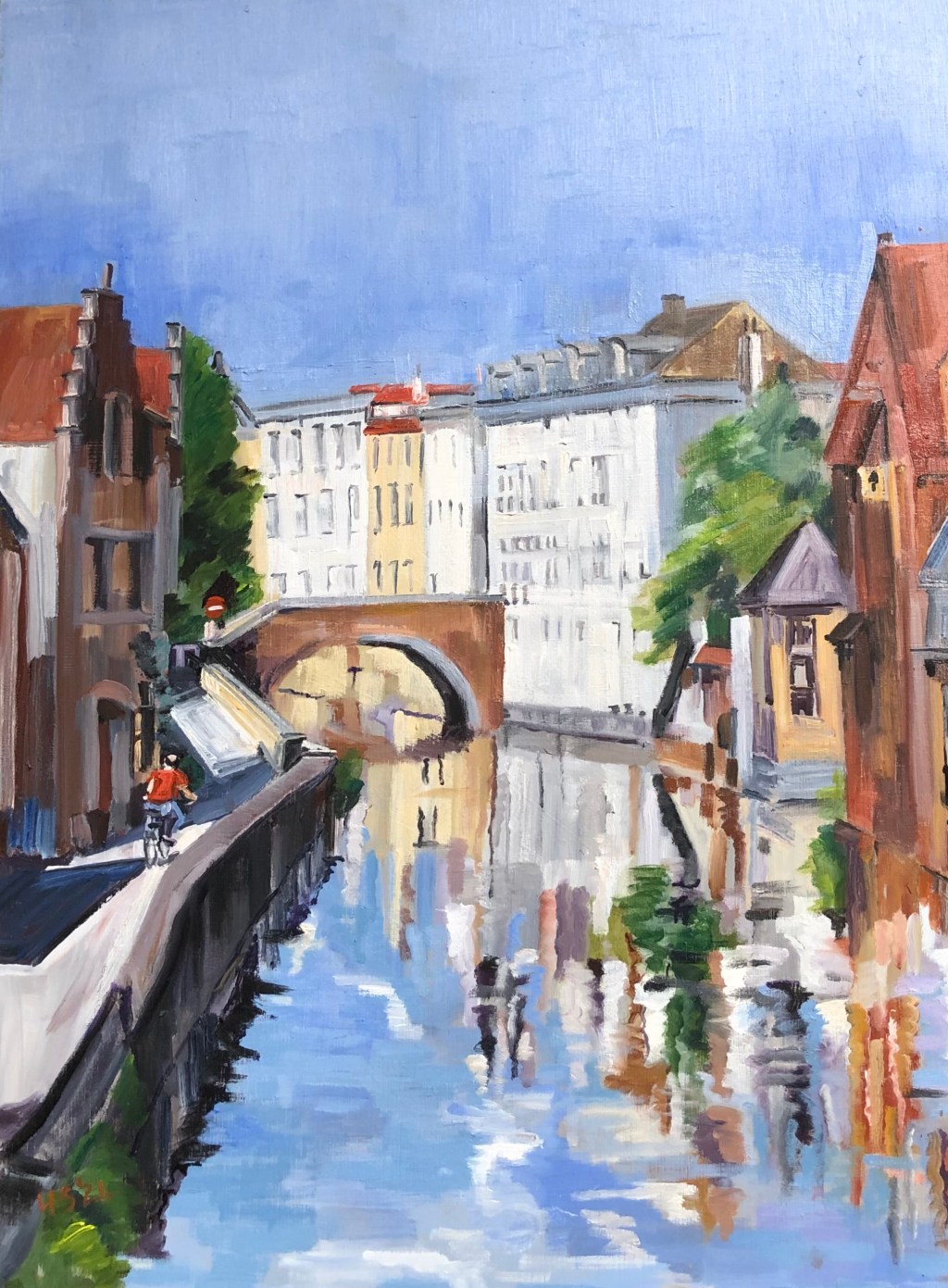
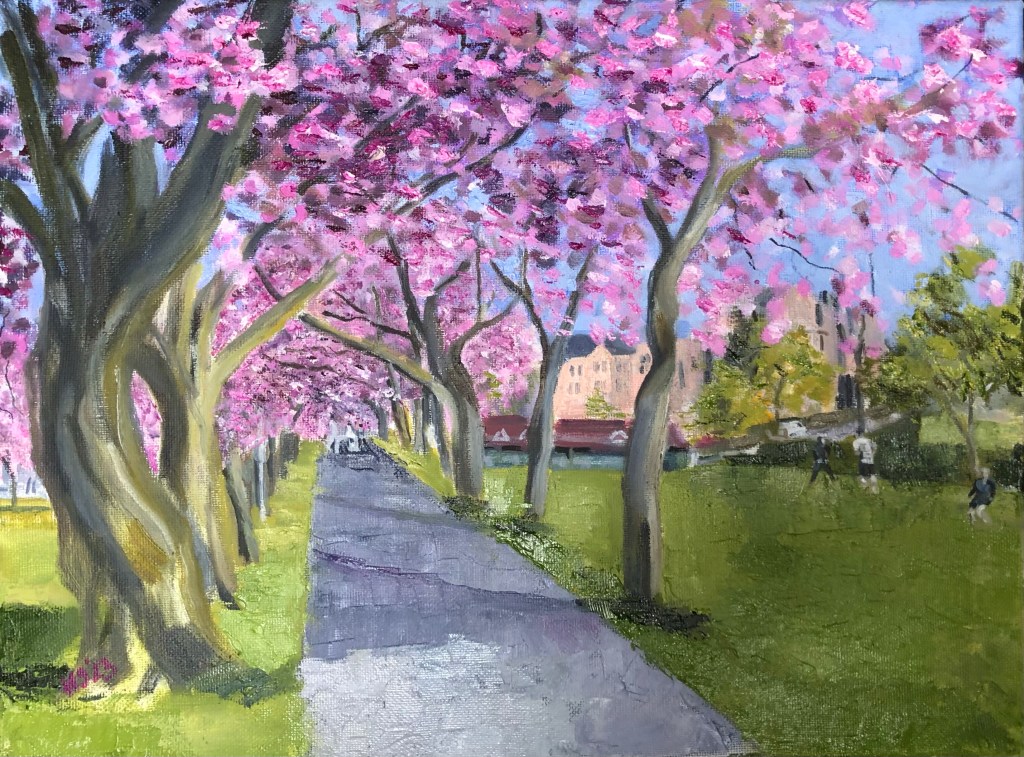
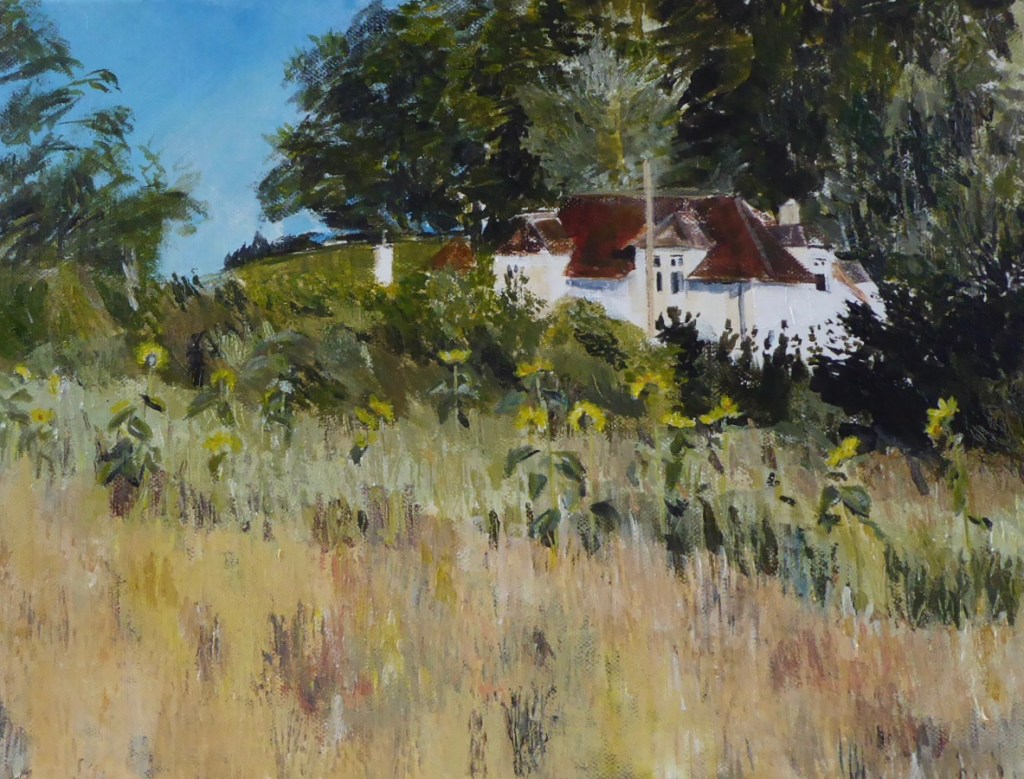
Join me at studio 34 on 2nd-4th May 2026 for an exhibition of my recent work. Click on the link below for the online brochure.







 Art by Smart
Leave a comment