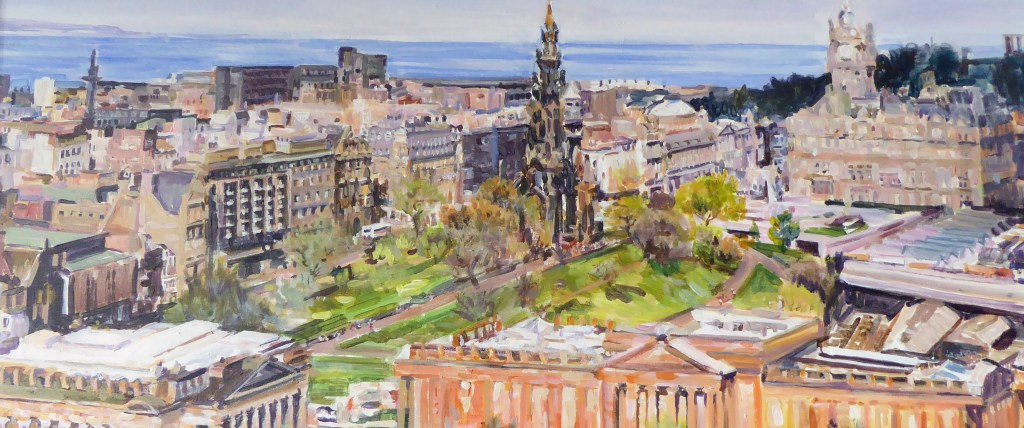
A Selective Review of Art Exhibitions in Edinburgh by Patrick McConnell
Of late there have been some real treats for discerning art lovers visiting Edinburgh. Alongside the major and smaller exhibitions in the city, which are still currently running, the Art Festival recently took place. Such events have helped reinforce Edinburgh’s reputation as a place that continues to offer a vibrant and varied mix of exhibitions and displays of artworks.
This summer art festival of 2019, which ran from July 25th to August 25th, provided plenty of examples of approach to improving the accessibility of art in the Festival city. The Art Festival is usually fairly widely spread out across the town, though with a concentration in and around the centre. Unusual venues are often on offer, adding an extra dimension to the visitor’s stroll around the Old Town and the New Town. Some of these galleries and exhibitions have stayed open, with some continuing into the autumn, with varying finish dates, so it is worthwhile for the visitor to check that the particular exhibition he or she wishes to see is still open.
Video installations, it seems fair to say, have been particularly notable as a trend this year. This is a format that requires of the viewer patience to sit still in sometimes darkened rooms, so it is a format that may not necessarily work for everyone. By contrast, a sound installation by Samson Young at the Talbot Rice Gallery, combined with a giant film of an orchestra playing a muted version of Tchaikovsky, offered an unusual if disconcerting take. Exhibitions took place in the unusual but more august settings of the French Institute and Parliament Hall, which offered contrasting experiences. Summerhall offers its usual varied displays, including that of the work of Scottish artist Alan Smith. In the New Town the Open Eye Gallery staged an exhibition of the panoramic landscape paintings of John Busby. Newer galleries also provide distinctive venues this year, such as Ingleby Gallery in Barony Street. This gallery presently offer a take on Bauhaus, forming the motivating drive for the work of David Batchelor, using colour and shape in bold ways.
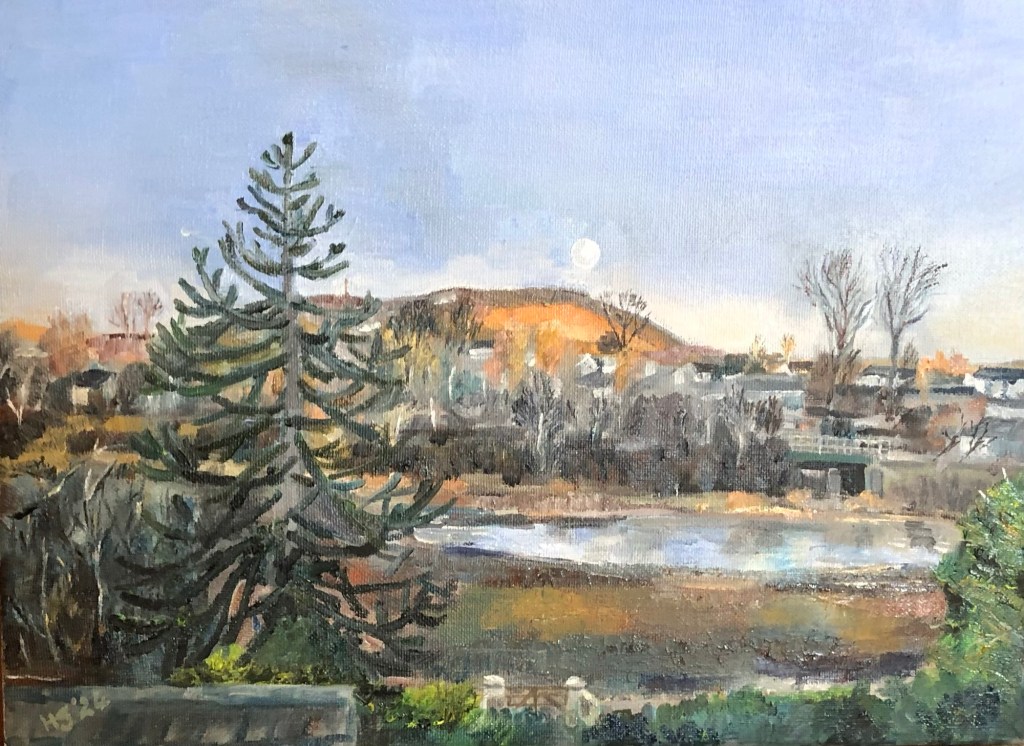
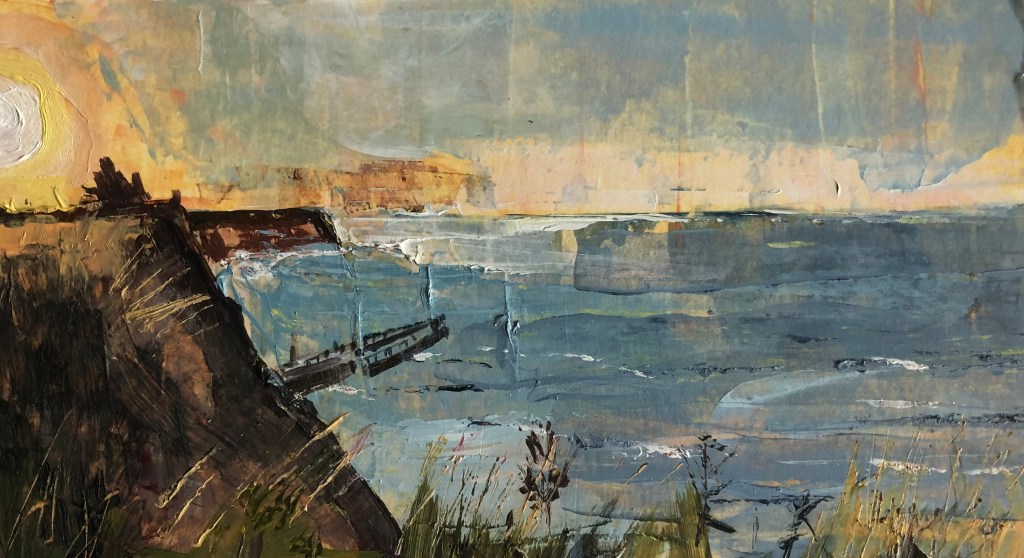
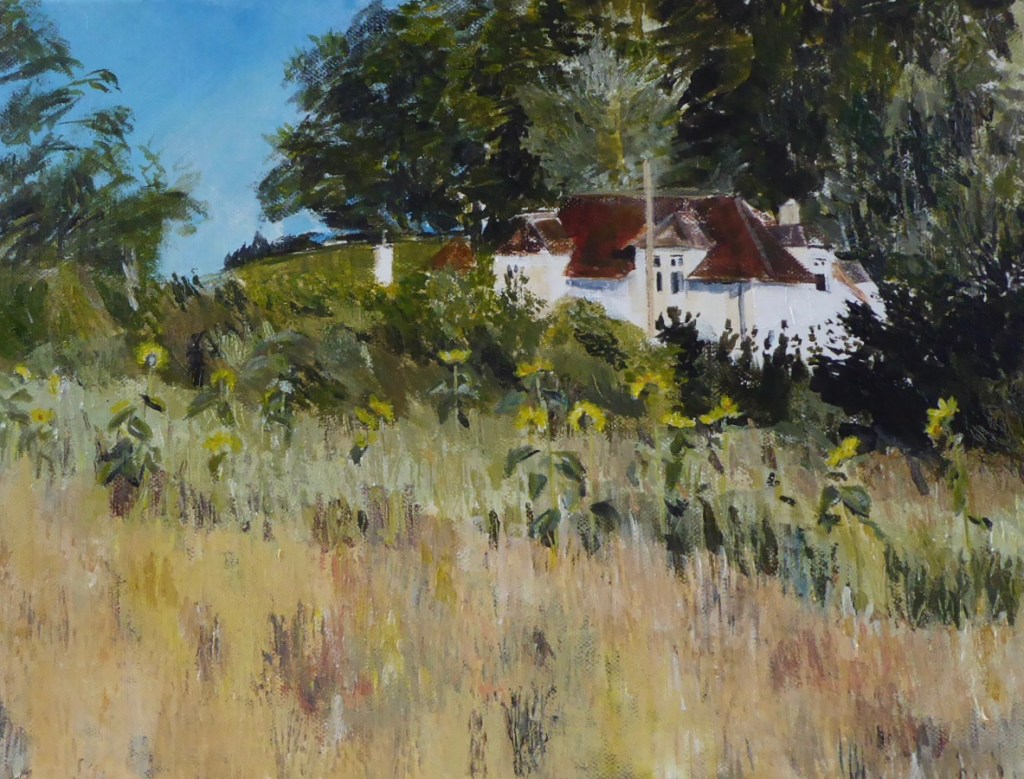
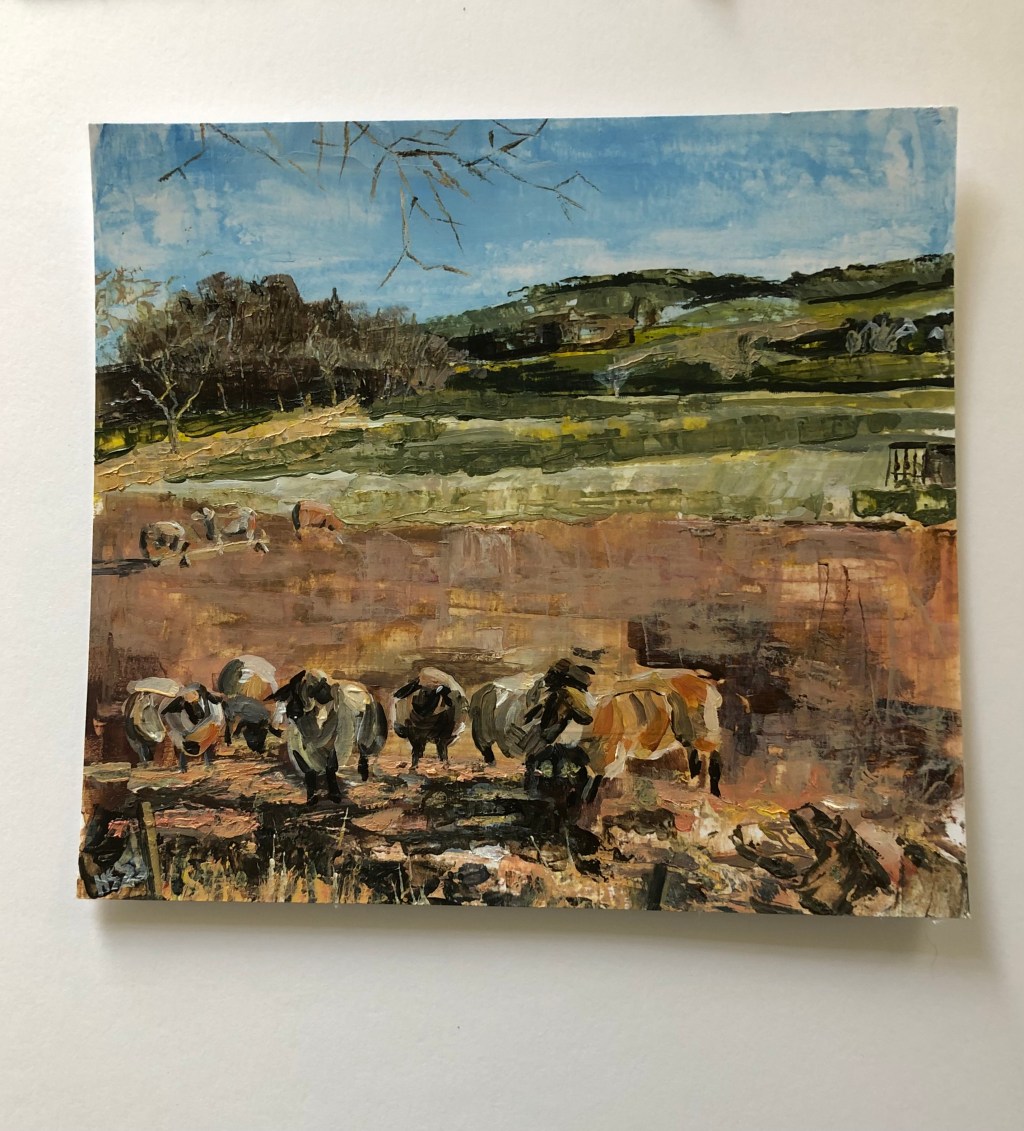
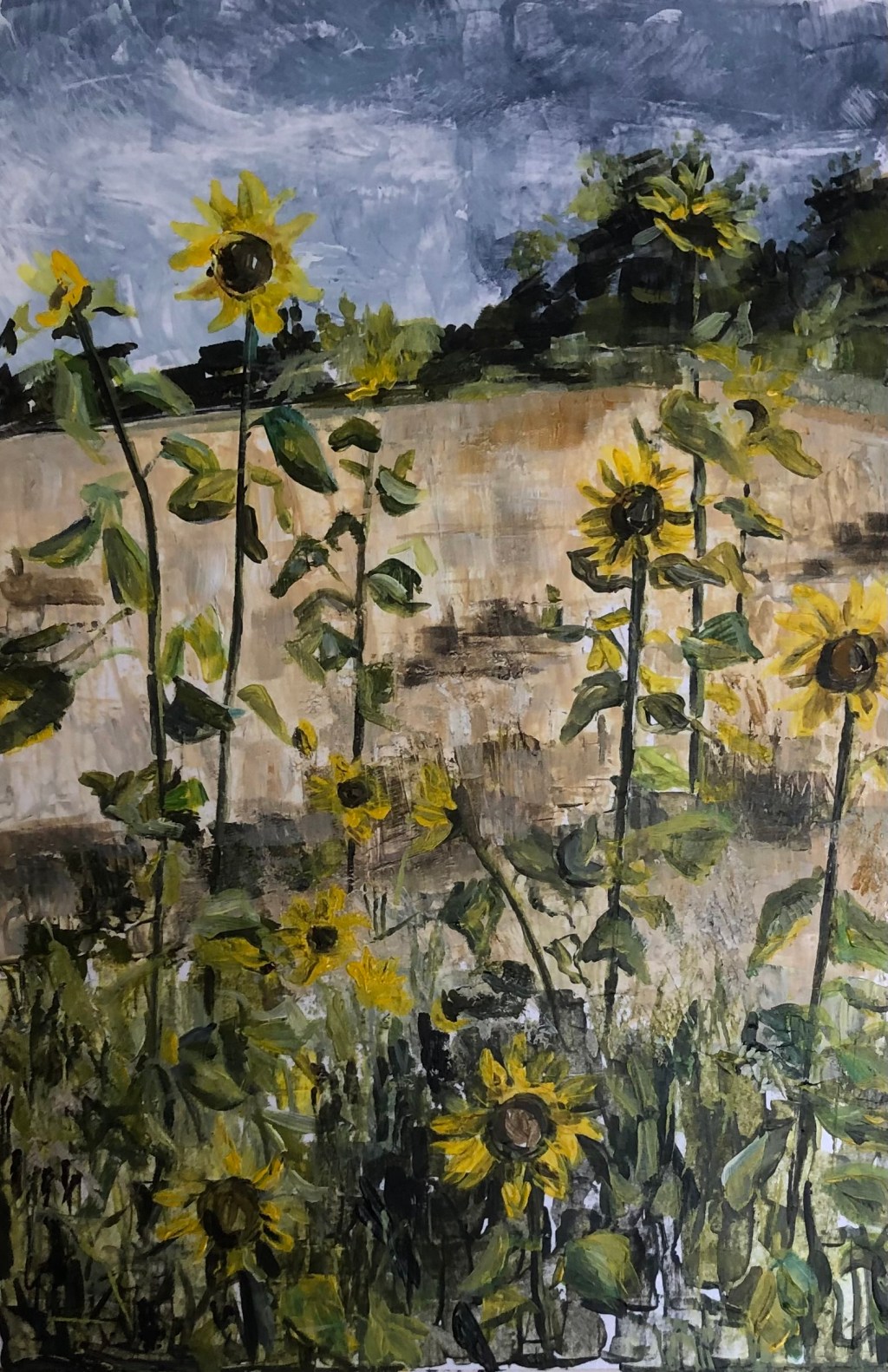
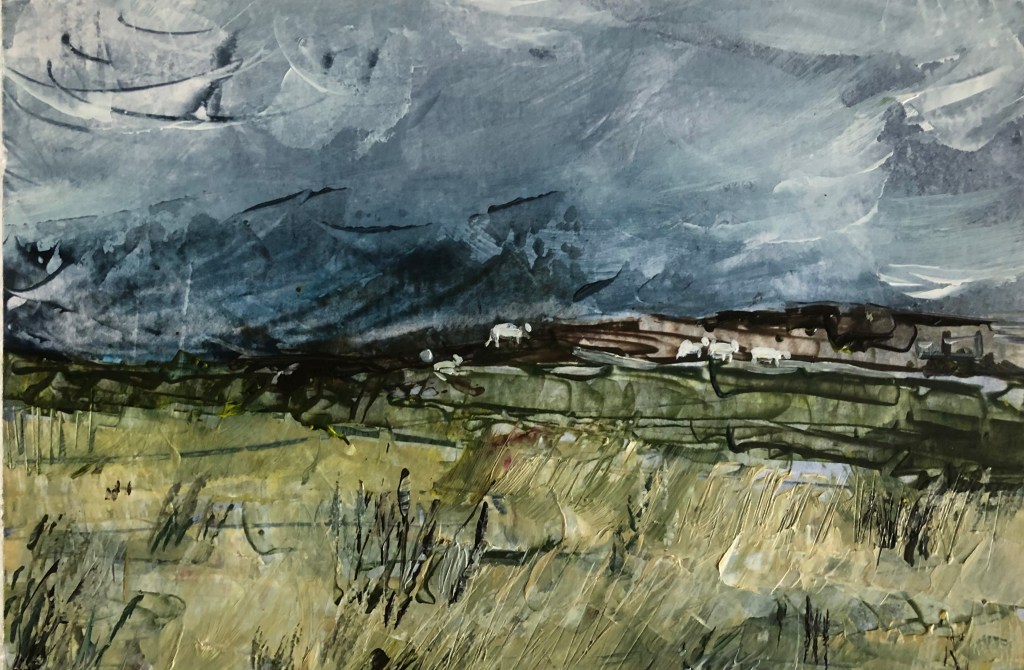
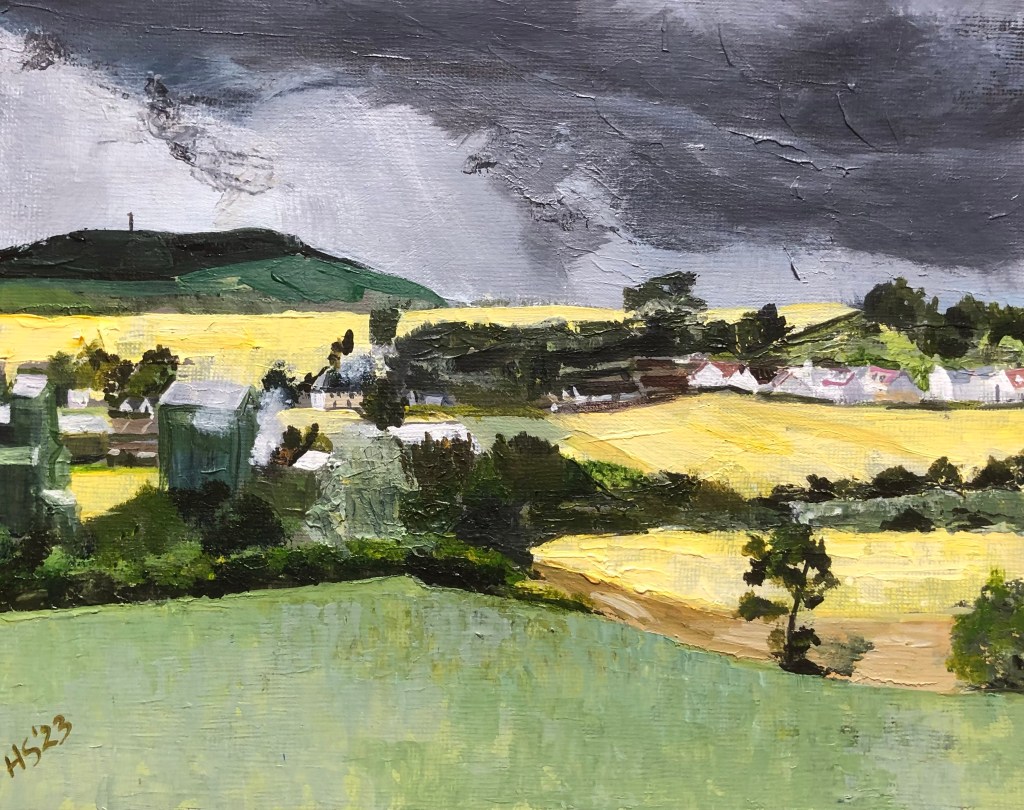
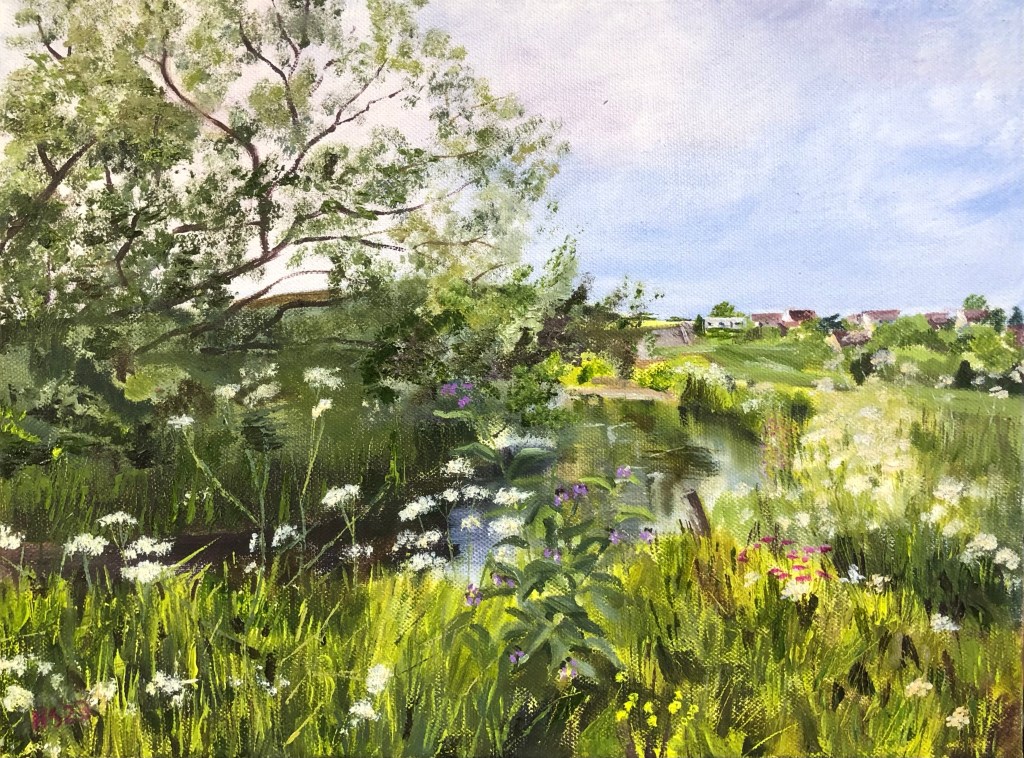
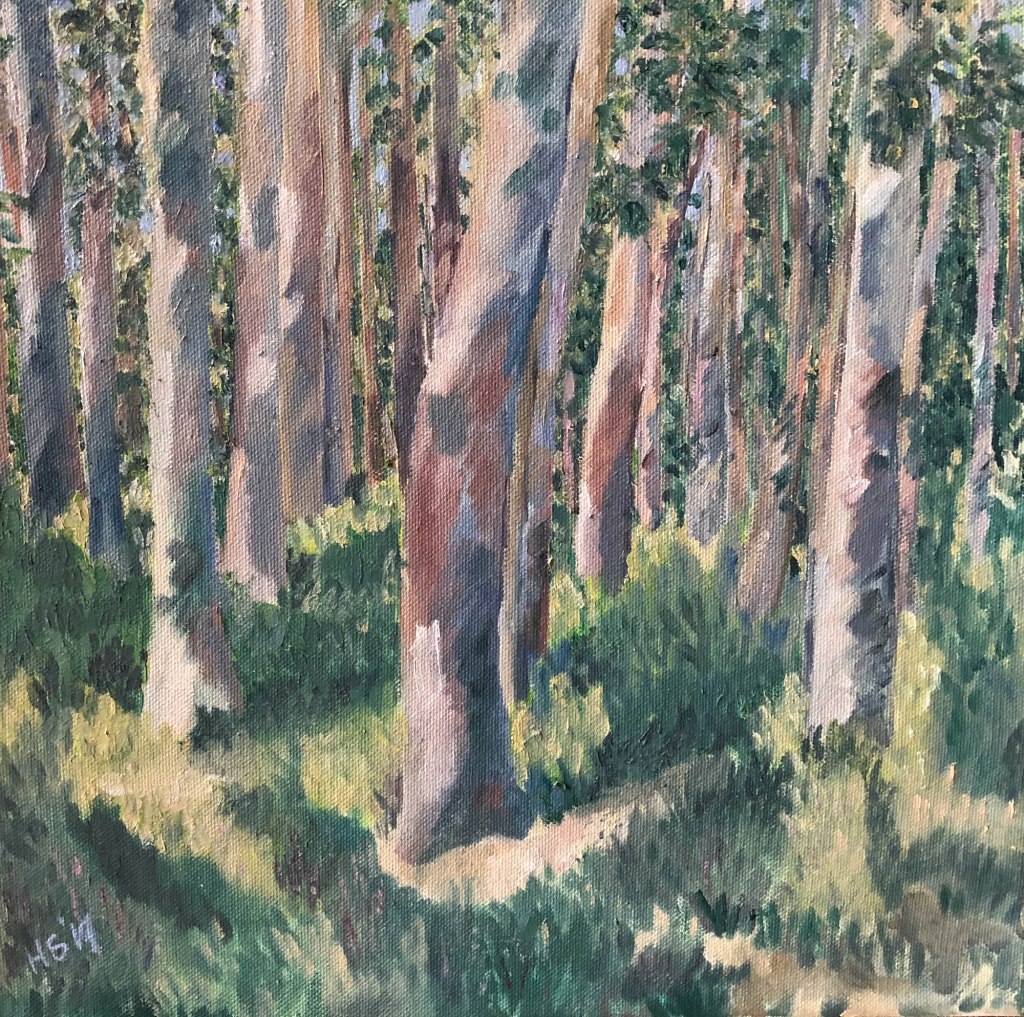
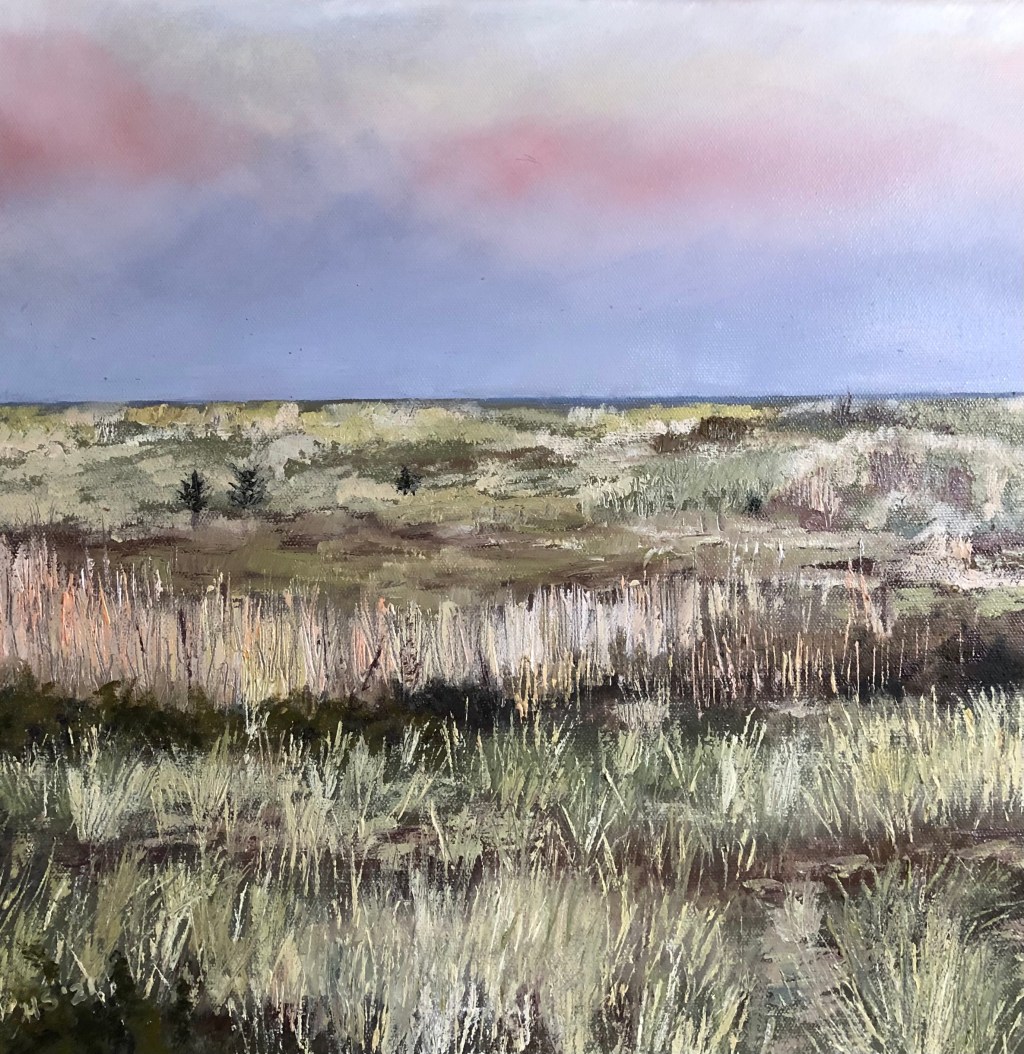
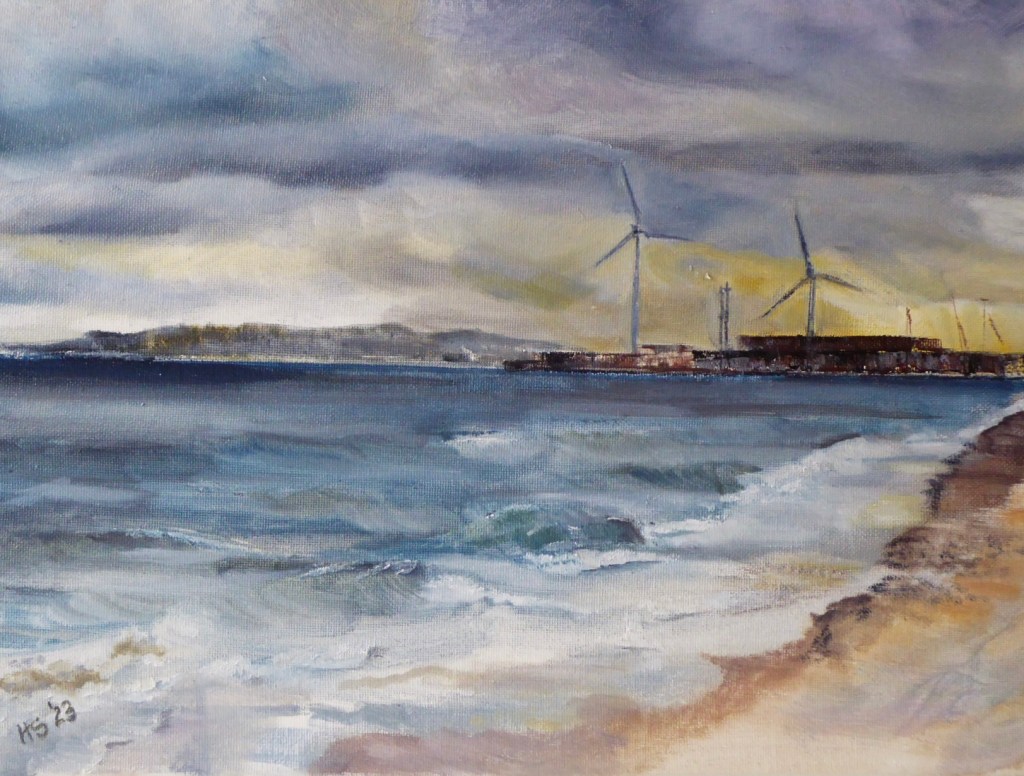
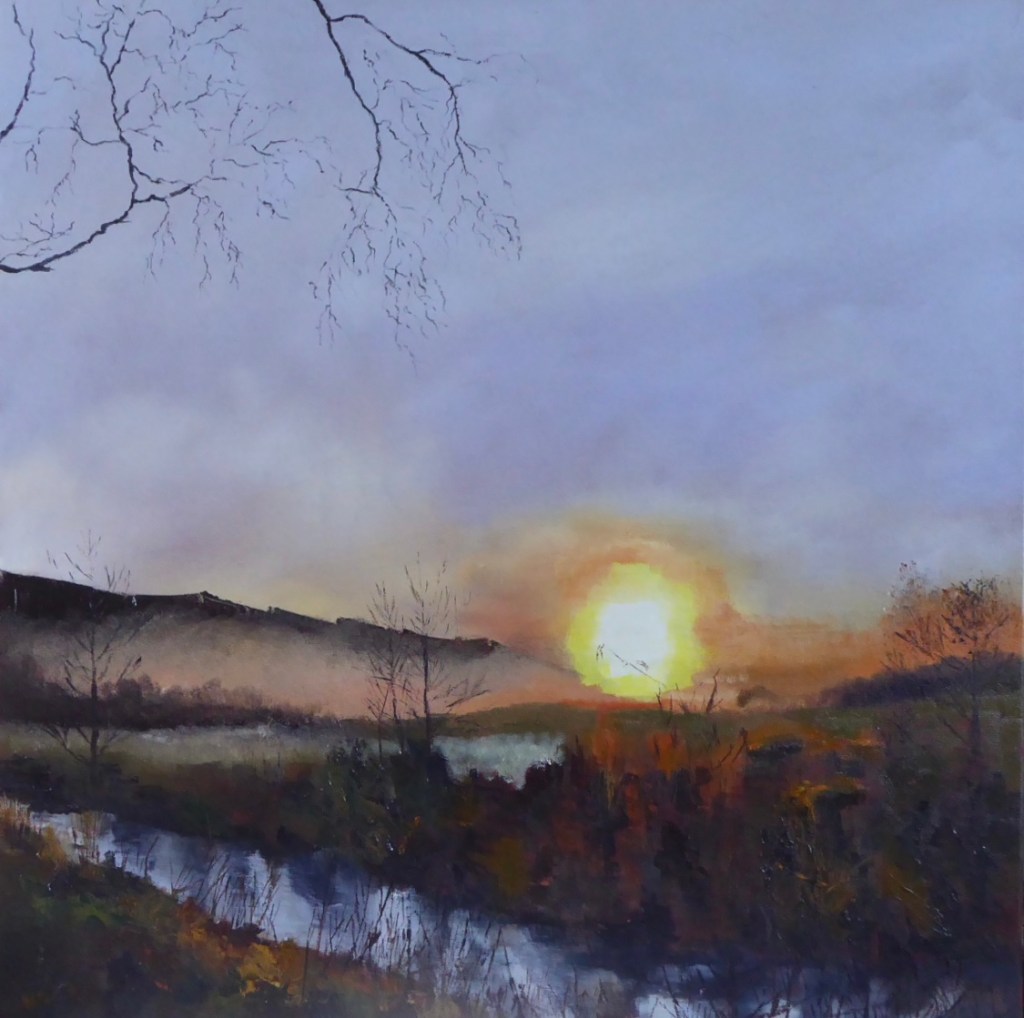
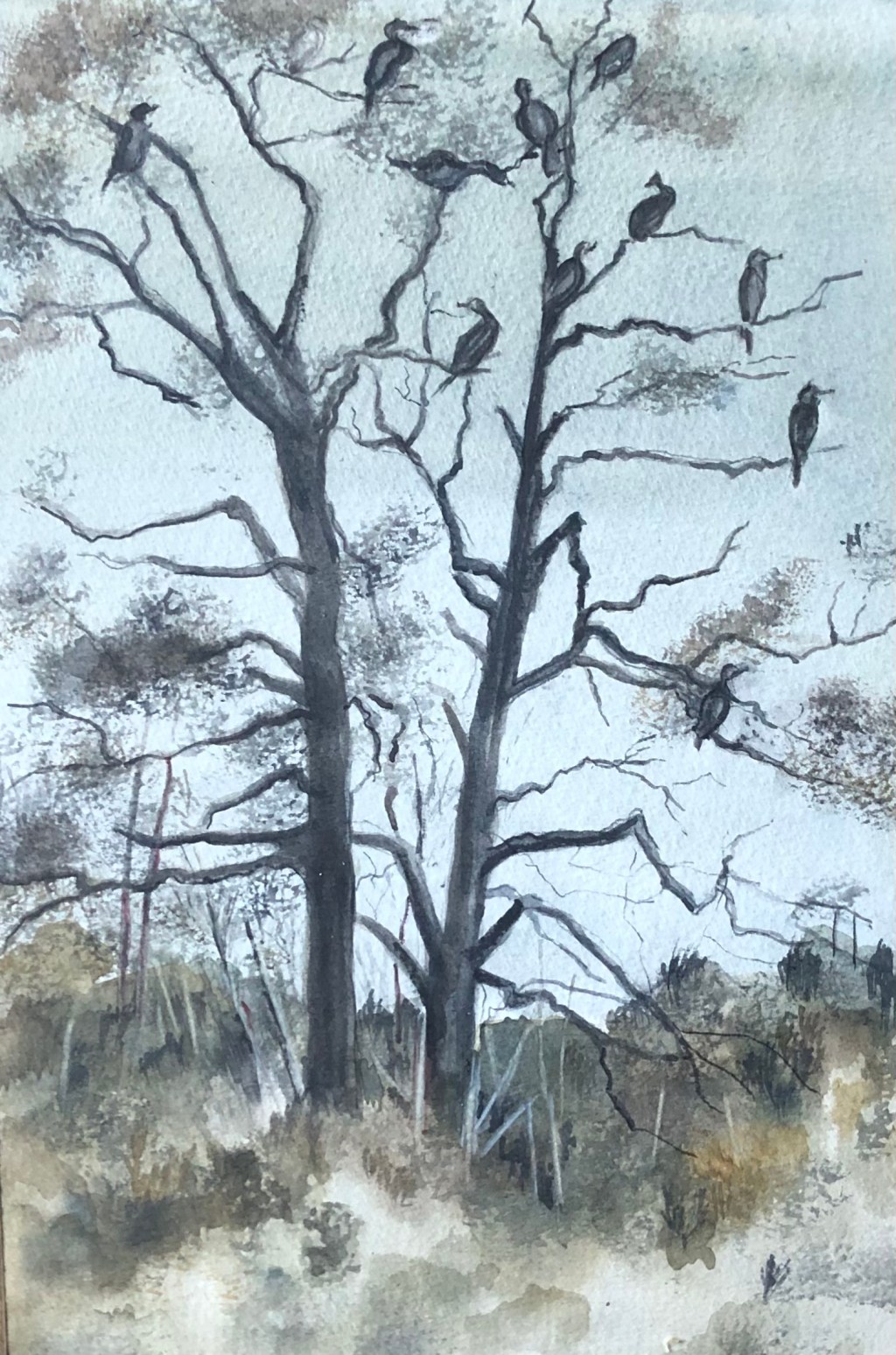
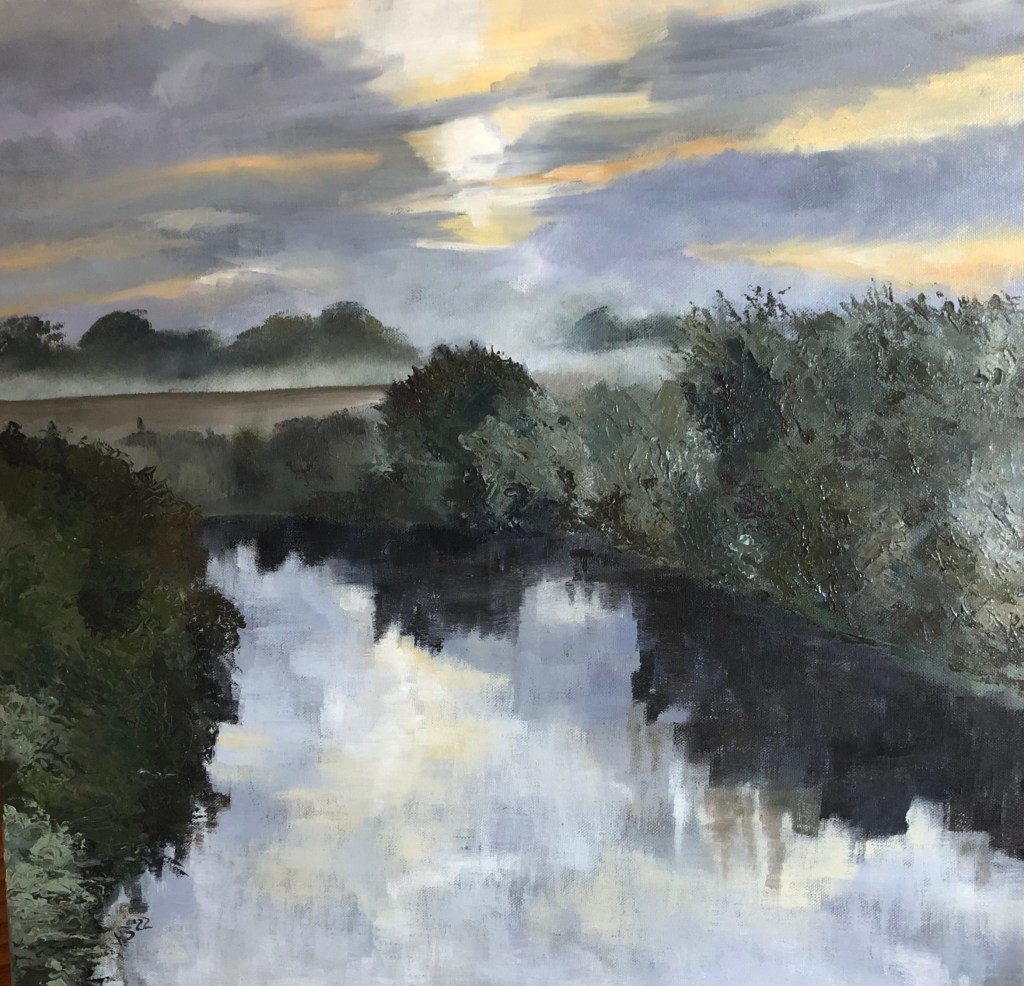
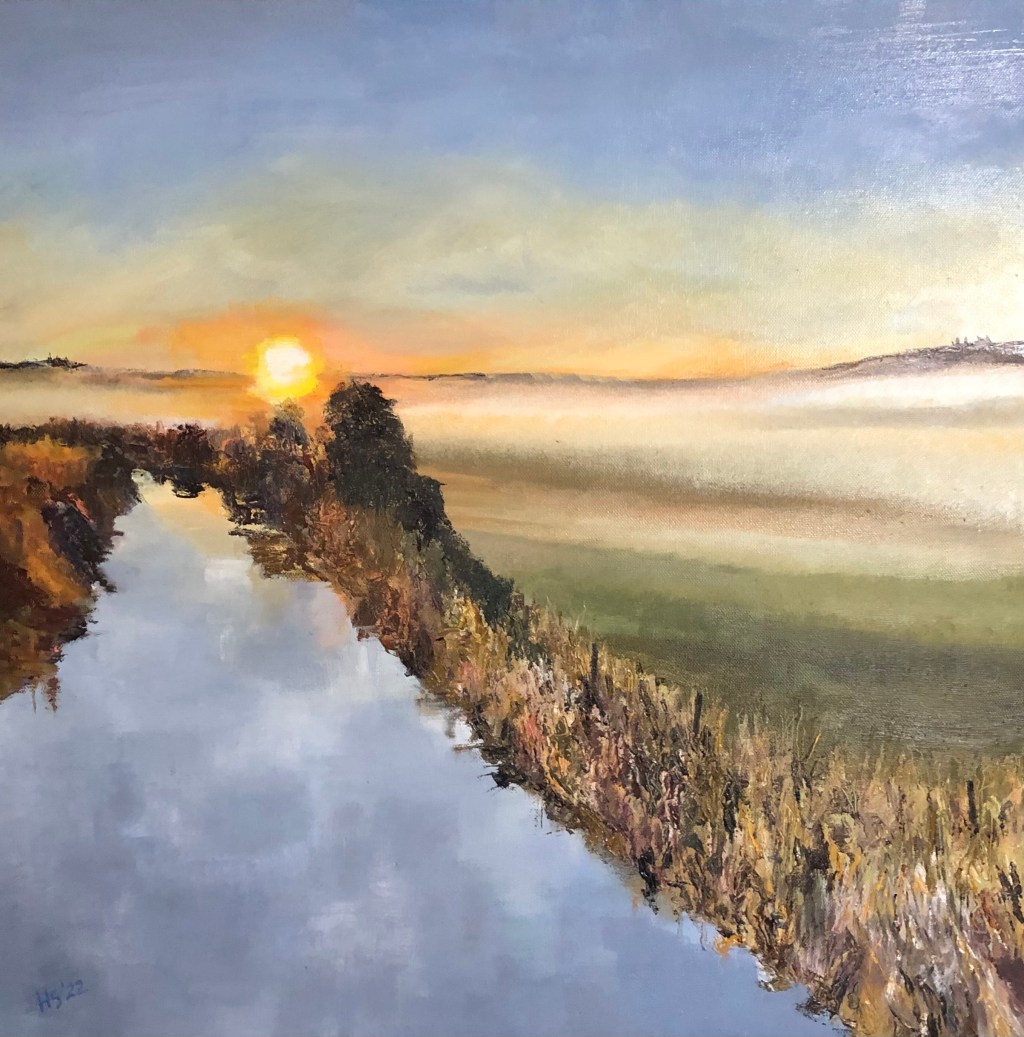
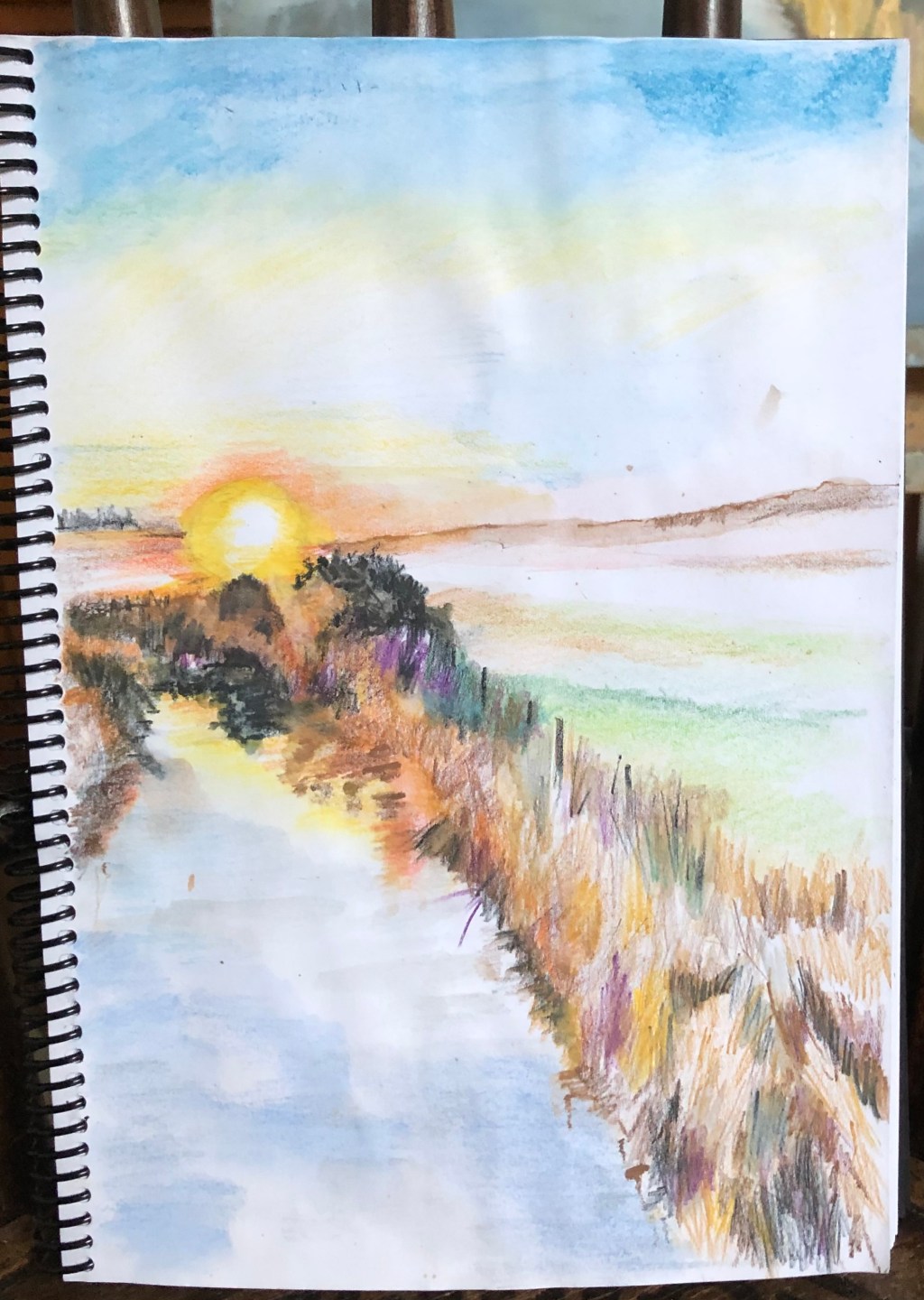
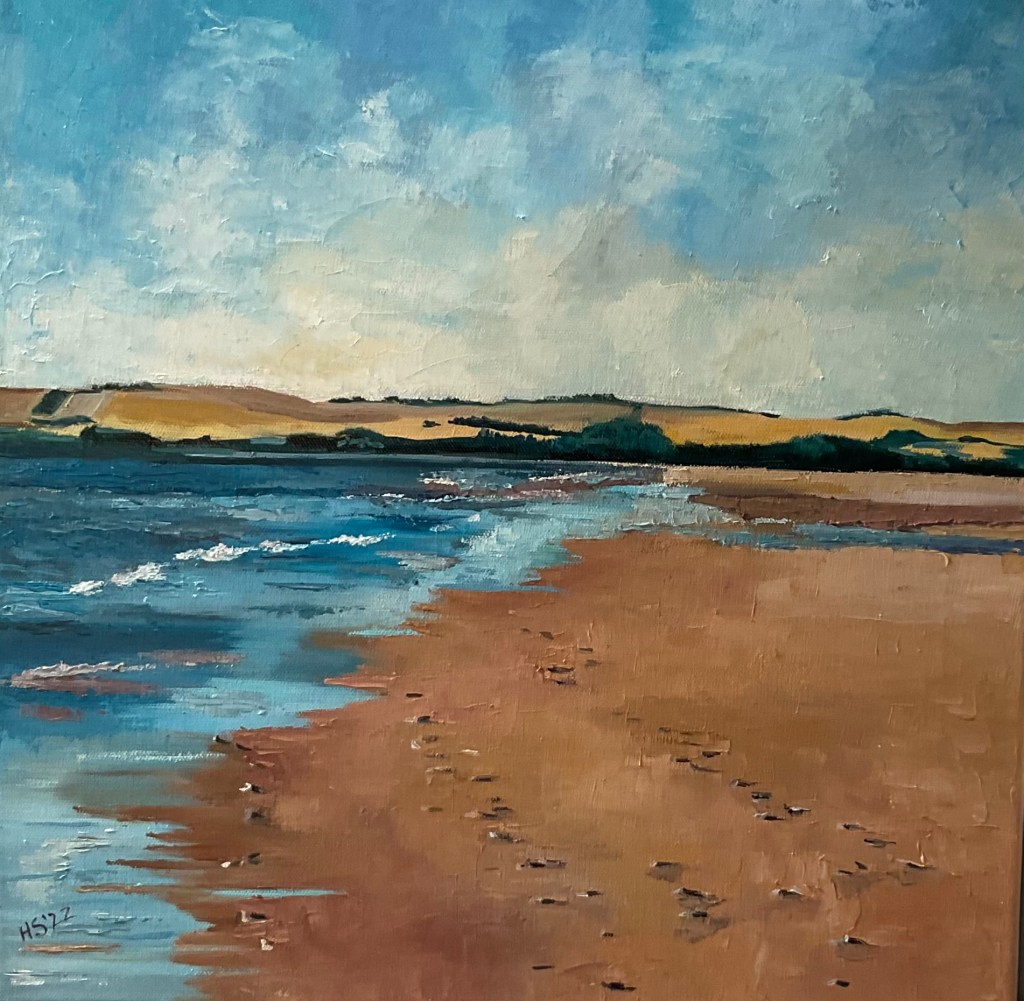
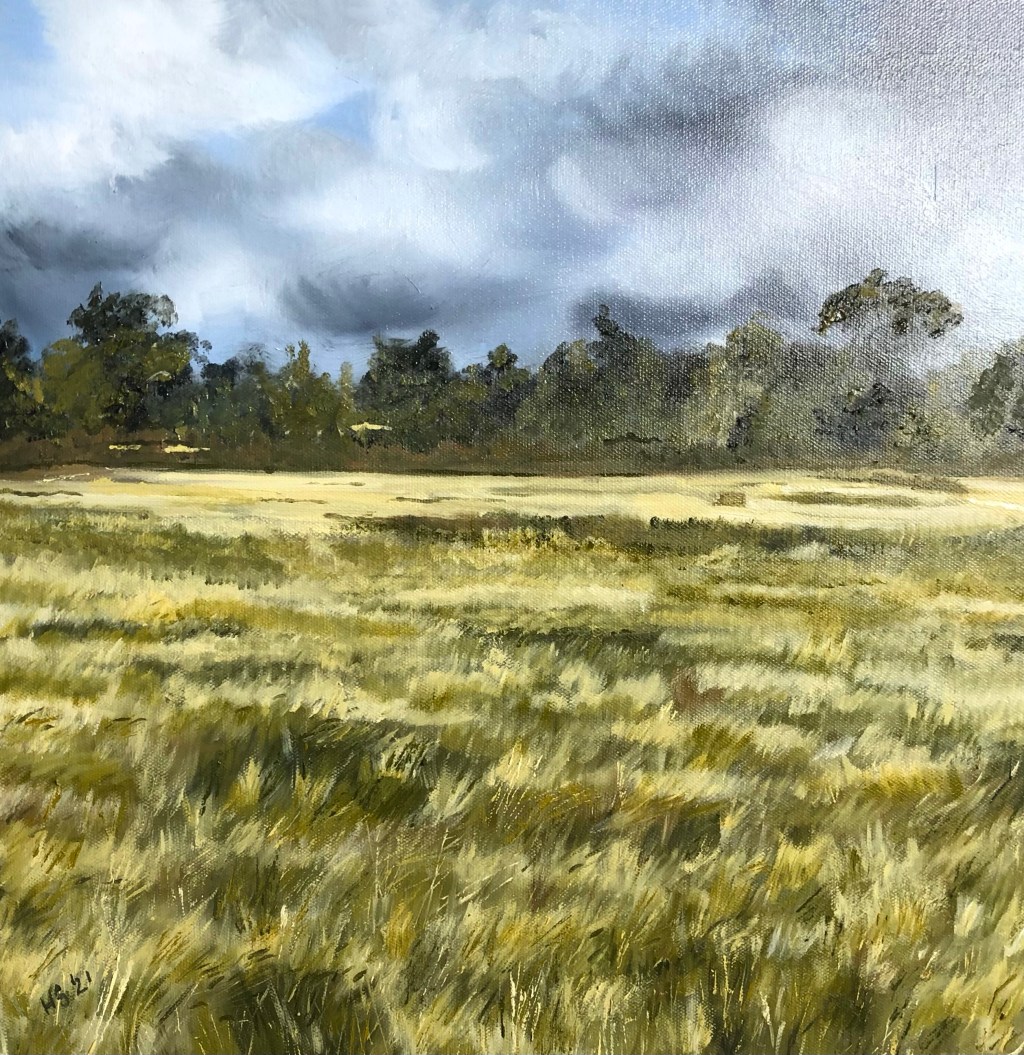
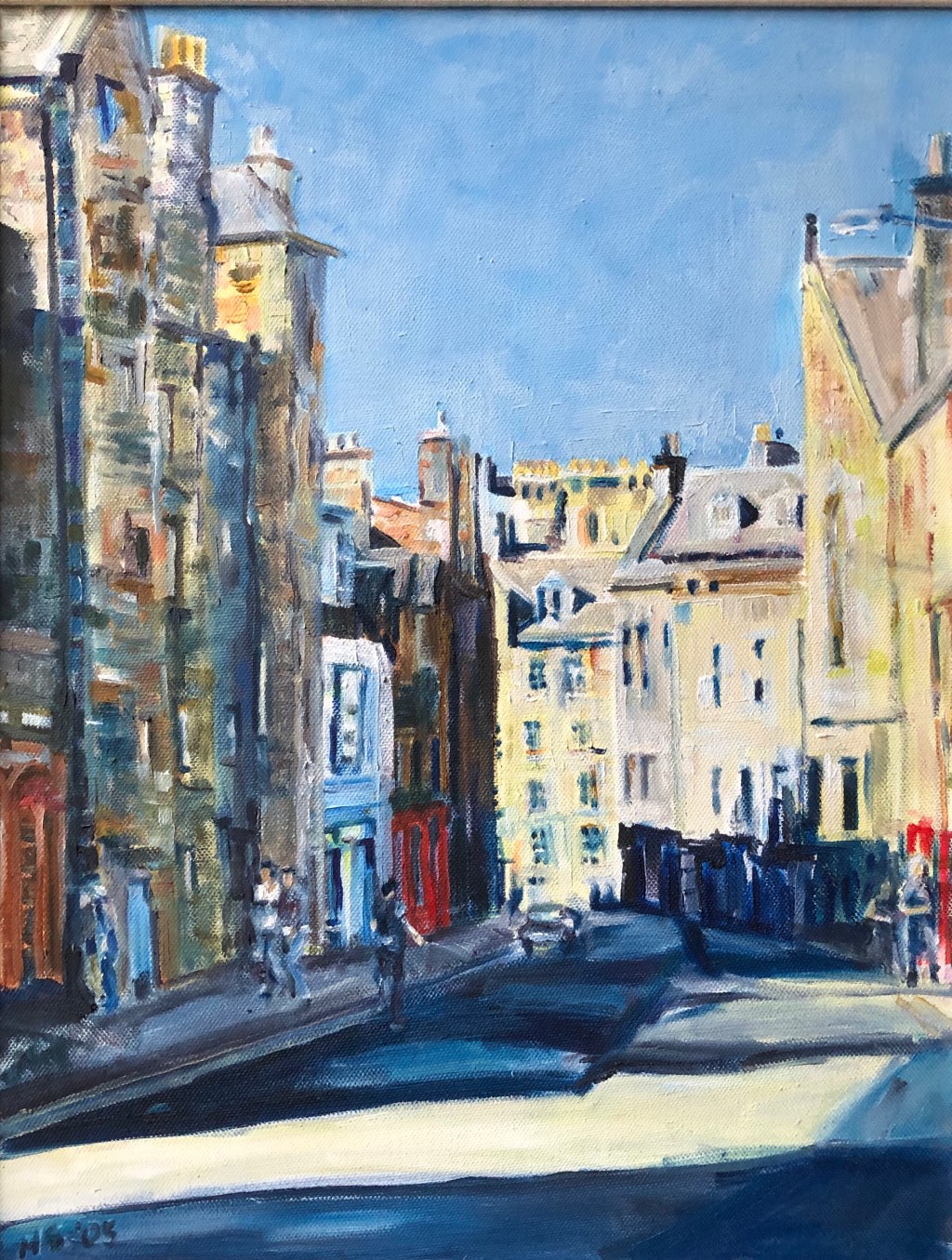
Dundas Street Gallery offers the chance for artists to stage their own exhibitions. Recent examples include ‘Fife In The City’, which featured the work of Helen Smart and others (see link). A distinctive approach to the legacy of Van Gogh was on show in the form of the lively and colourful works of Denis Ribas, a French artist. The intriguing back story is that he has sought inspiration from Vincent’s experiences at the Saint-Paul Asylum in Saint-Remy in 1889 and 1890, where Vincent sketched a range of subjects.
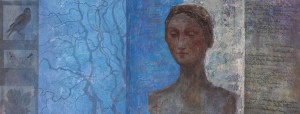
The Exhibition at the City Art Centre, ‘Victoria Crowe: 50 Years of Painting’, is well worth visiting and works on a number of levels. Covering three floors and following a broad chronological order, the display of her work forms a salutary reminder of the scope and the quality of this artist. An accompanying video supplies a valuable commentary by the artist herself, revealing an articulate and thoughtful painter. Her landscapes of aspects of rural life in the Pentland Hills is perhaps best known locally, but there are selections here from her later work, inspired by early Renaissance artists and to my mind at least, with echoes of John Maxwell.
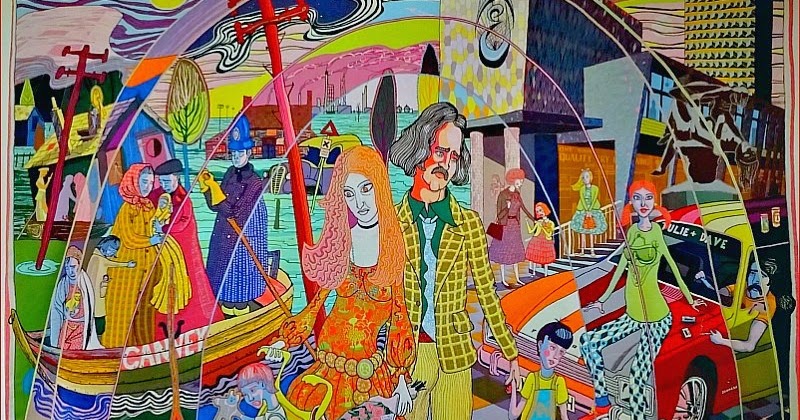
Grayson Perry at the Dovecot Gallery provides an intriguing experience for the visitor with an unusual mix of a visual presentation in the form of massive, colourful but detailed tapestries and an accompanying story line broadcast over speakers. The main exhibits cover the story of a fictional character, Julie Cope, from birth to death, in the postwar period, situated in the south eastern part of England. The other covers the design and construction of an ‘art house’, in ‘A House for Essex’. The exhibits are all staged within the evocative venue of Infirmary Street Baths, now Dovecot Gallery, a well known resource for tapestry.
I intend to later offer comment on the exhibitions in the more established galleries. These include the RSA, where Bridget Riley provides a different perspective on colour, shape and design, with trademark swirls and eye-catching, if at times disorienting, patterns in black and white and colour. There are some unexpected pieces to be found here, including from her early work. At Modern Art Gallery Two (or Dean Gallery as locals prefer to call it), there is ‘Cut and Paste: 400 Years of Collage’, running until October 27th, which brings together a stimulating mix of older and newer use of collage, featuring Picasso, Ernst, Miro and many others
All this indicates that art is currently in a very healthy and lively state in a city like Edinburgh. Investment in such cultural capital repays handsomely and while uncertain funding, availability of suitable venues and high rents remain challenges, the future is looking promising.
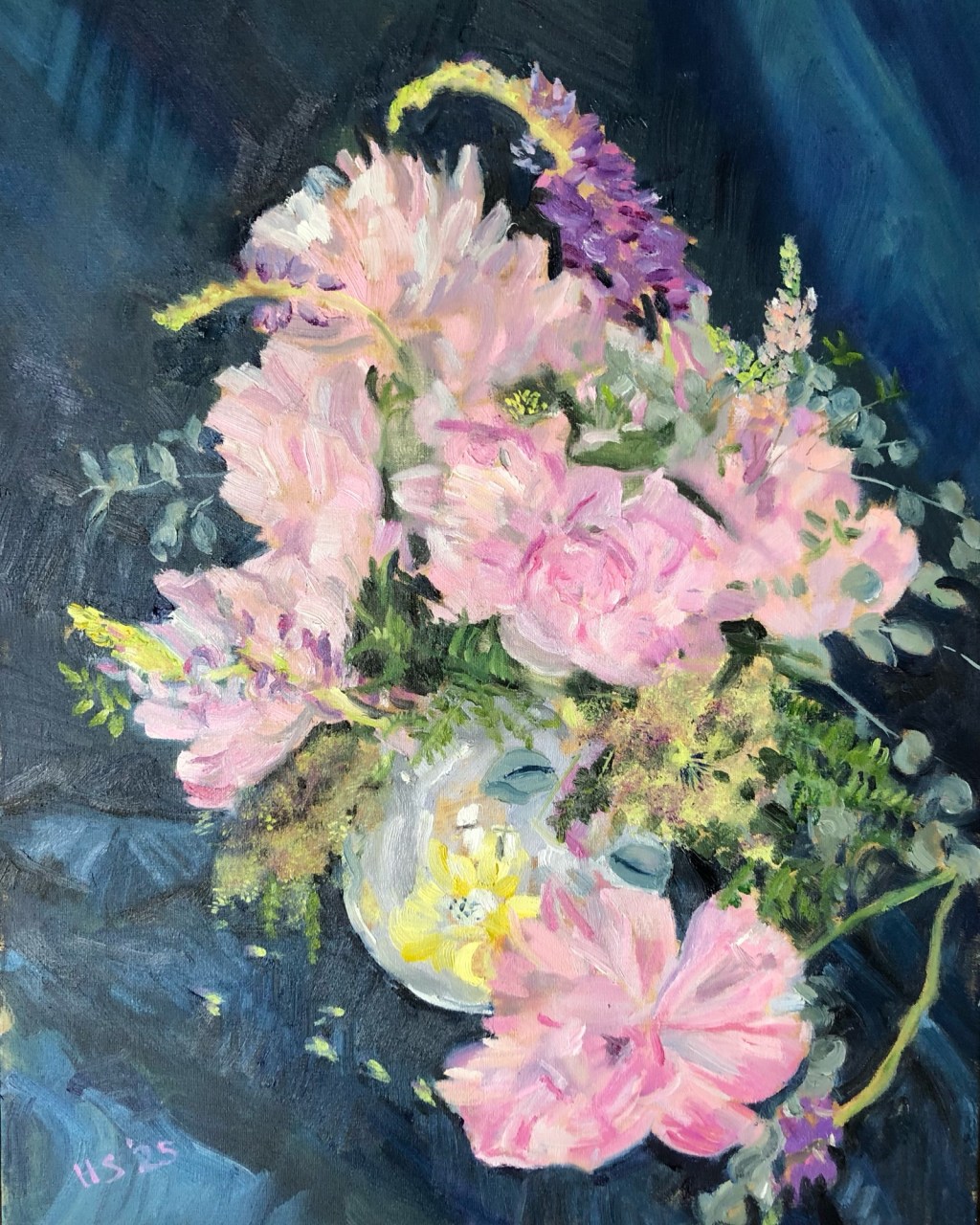
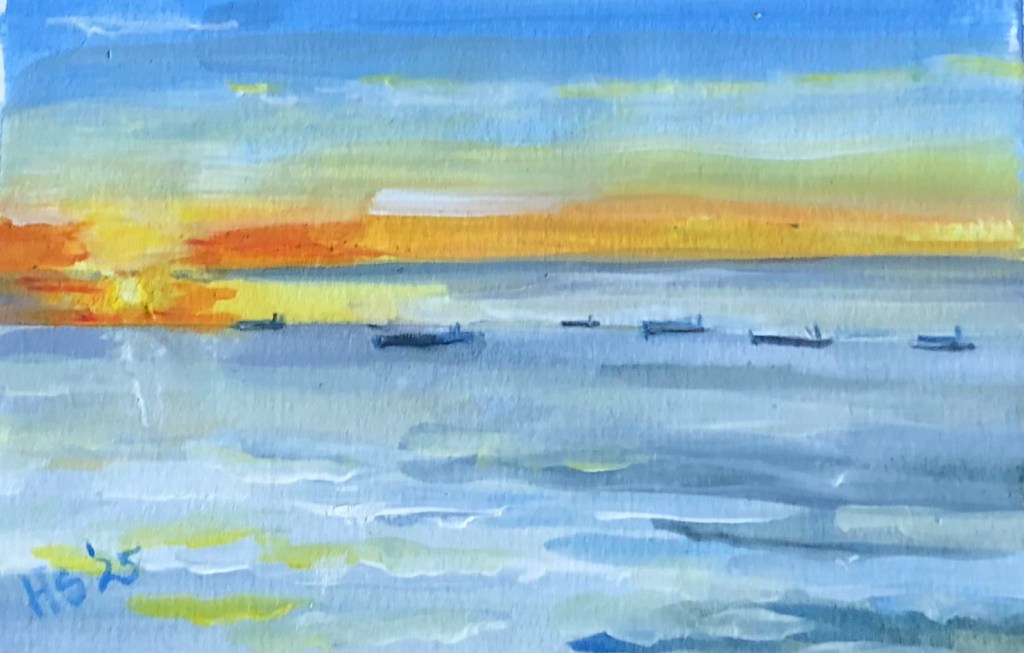
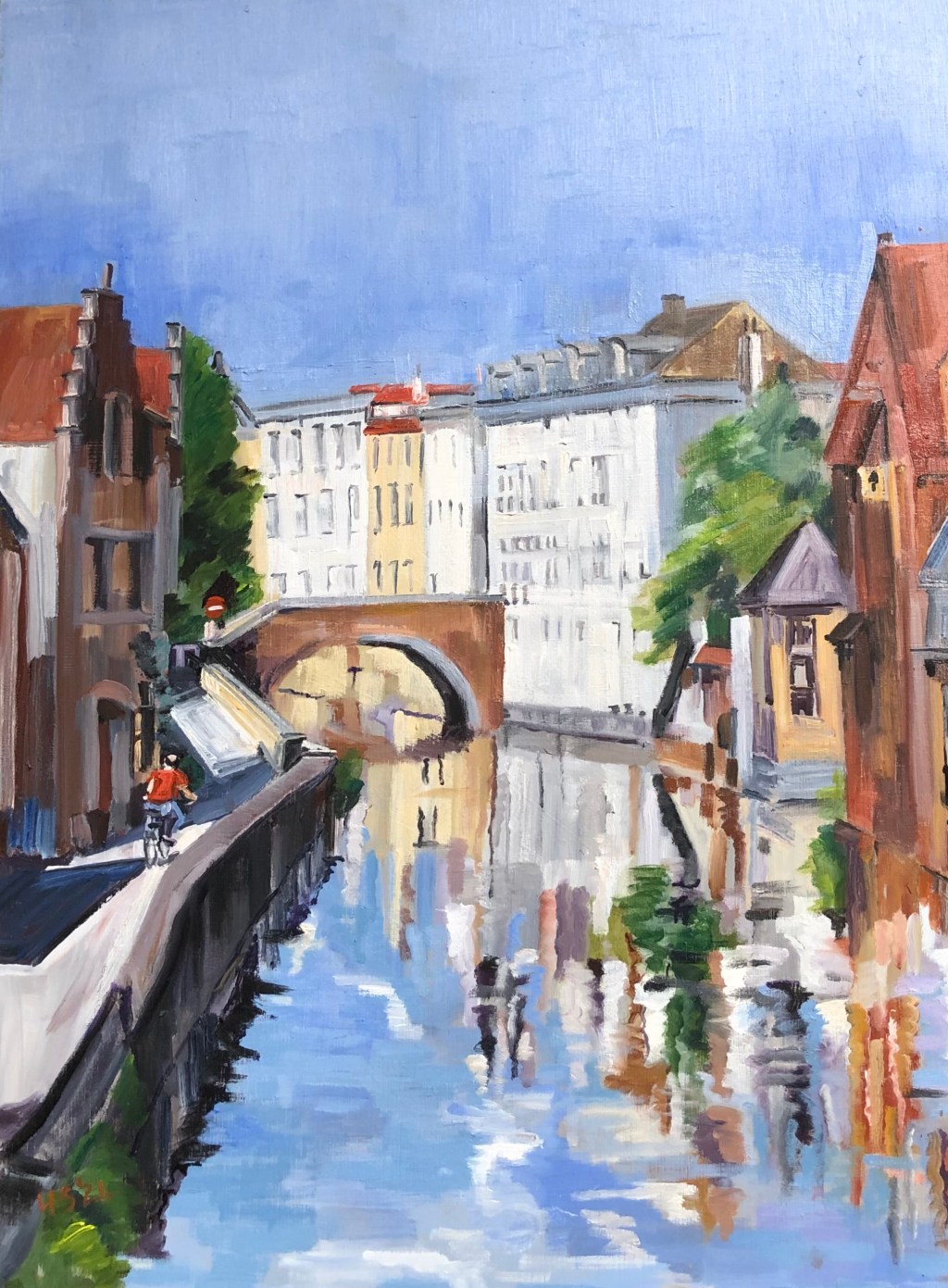
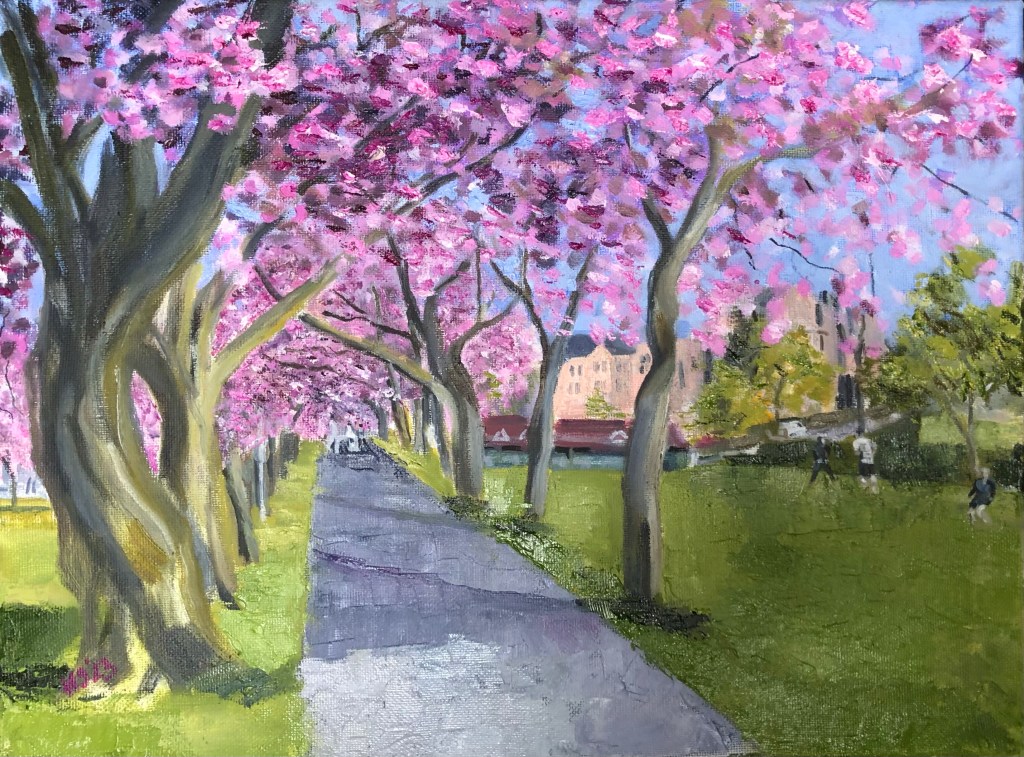
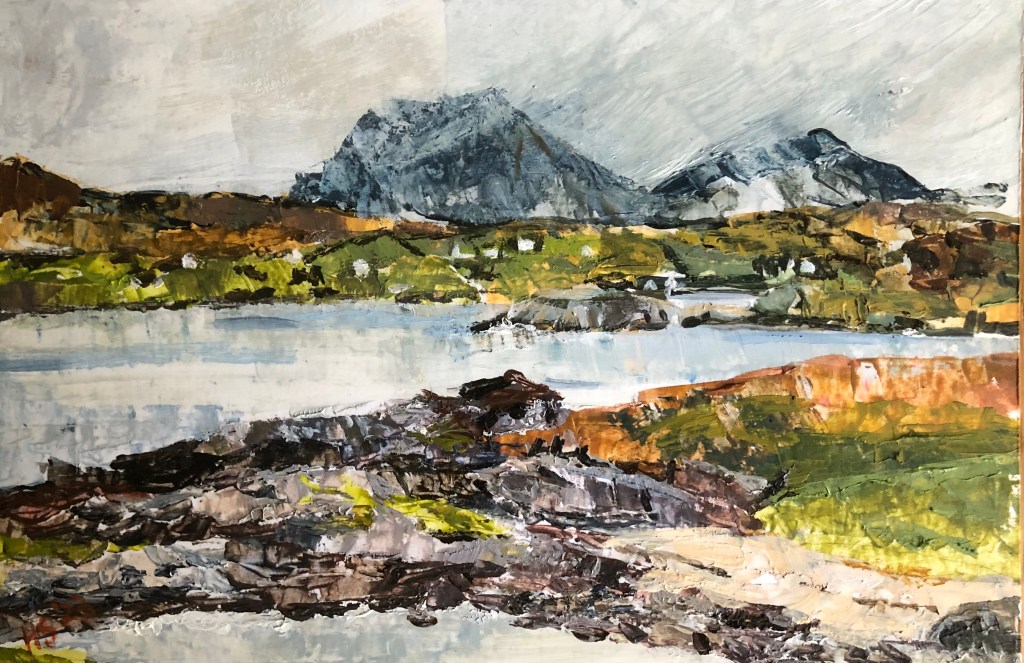





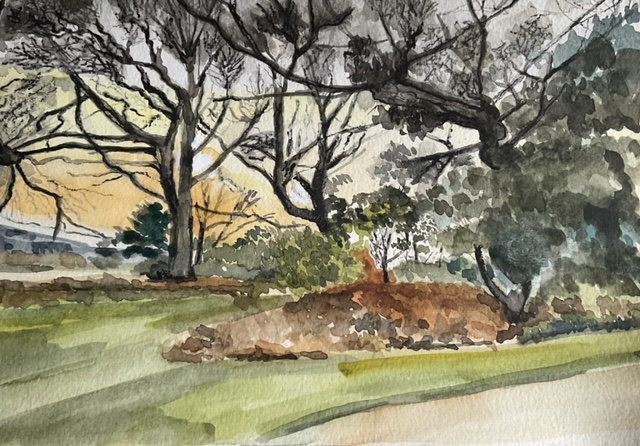


 Art by Smart
Leave a comment